What To Check Before A Low Maintenance Front Garden For A Sunny Plot
A practical step-by-step guide to what to check before a low-maintenance front garden for a sunny plot, including preparation, instructions, common issues, tips, and next steps.
What To Check Before A Low Maintenance Front Garden For A Sunny Plot
Planning a low-maintenance front garden for a sunny plot starts before you dig. You need to assess sunlight, soil, drainage, and local conditions to choose plants that thrive with minimal care. This guide walks you through the essential checks—from observing light patterns to testing soil and considering water runoff—so you can create a front garden that looks good and requires little ongoing effort. You'll learn how to select drought-tolerant plants, prepare the ground properly, and apply mulch to reduce weeds and watering. The guide also covers common pitfalls like overplanting, poor drainage, and neglecting hard landscaping, and offers quick reference for typical situations. By following these steps, you'll set up a low-maintenance front garden that stays healthy and attractive with minimal intervention.
Fast Answer
- Before planting, observe your sunny front garden for at least one full day to see how much direct sun it receives. Most sun-loving plants need at least six hours of direct light, but the exact amount will guide your plant choices. Track sun patterns every couple of hours and note any shaded spots caused by buildings or trees. This simple check prevents choosing plants that will struggle or become leggy in insufficient light.
- Test the soil drainage by digging a small hole about a foot deep and filling it with water. If the water drains within an hour, the soil is well-drained; if it still holds water after several hours, you'll need to improve drainage or choose plants that tolerate wet conditions. This quick test helps avoid root rot and ensures your planting layer stays healthy.
Before You Start
- Observe sunlight patterns: Spend part of a day (ideally on a sunny day) watching your front garden and noting exactly where the sun hits and for how long. This helps you designate sunny spots for sun-loving plants and avoid placing shade-tolerant plants in full sun. It also informs where to position paths or seating if you want to avoid glare.
- Test soil type and drainage: Use a simple soil test kit or the jar test to determine whether your soil is sandy, loamy, or clay. Also perform a percolation test by digging a hole and filling it with water to see how quickly it disappears. This tells you if you need to amend the soil for better drainage or water retention.
- Check local frost dates and microclimate: Look up the average last frost date for your region and consider local factors like wind exposure, nearby buildings, or heat-absorbing pavements that create warm microclimates. This knowledge prevents planting tender plants too early and helps you choose species that survive your specific conditions.
- Assess water source and accessibility: Identify the nearest outdoor tap and consider how you'll water during establishment and dry spells. If you plan a low-maintenance garden, you may need to install a simple drip irrigation system or soaker hose. Also think about whether you'll have easy access for occasional maintenance like pruning or mulching.
Step-by-Step Instructions
Map your sunlight and shade patterns
Start by mapping the sunlight patterns across your front garden. Use a notepad or a simple grid on a photo to record where the sun hits at different times of day, especially during the main growing season. Note any areas that receive morning sun versus afternoon sun, and identify spots that stay shaded for most of the day because of fences, house walls, or trees. This map is your foundation for plant placement. Sunny plots may still have pockets of shade, and understanding these patterns prevents you from planting sun-loving species in shade or shade-tolerant plants scorched by too much sun. Also note the intensity of sunlight, as south-facing walls can create hot, dry microclimates. By knowing your light conditions, you can choose plants that will thrive with minimal fuss, reducing the need for extra watering or moving plants later. You'll also avoid leggy growth or scorched foliage that comes from mismatched placement.
Test your soil before you plant
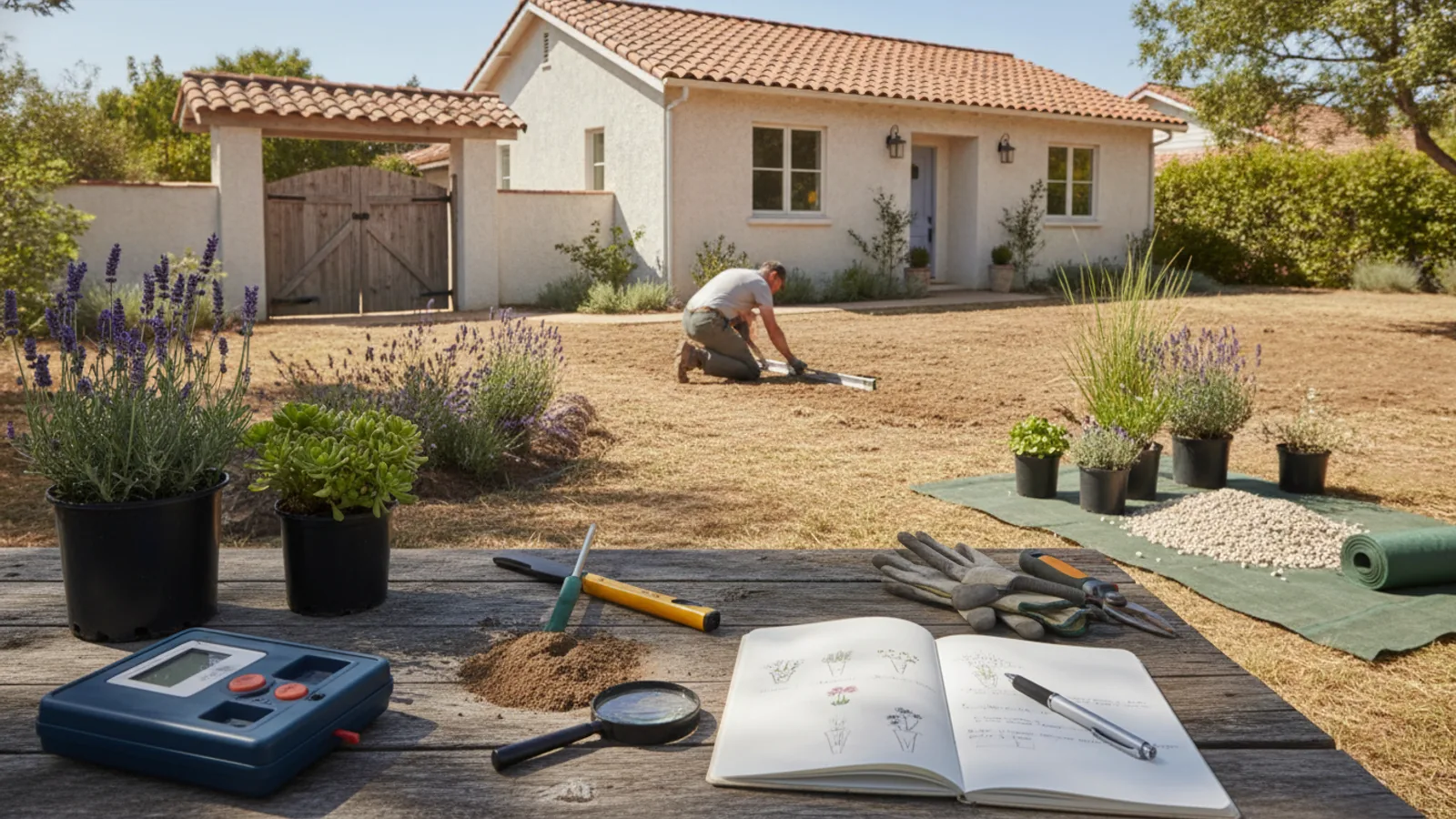
Good soil is the secret to low-maintenance gardening. Begin with a simple percolation test: dig a hole about 30 centimeters deep and 15 centimeters wide, fill it with water, and note how long it takes to drain. Ideally, the water should disappear within an hour—anything longer indicates poor drainage. Also feel the soil: if it's sticky and forms a ball, it's clay-heavy; if it feels gritty and doesn't hold shape, it's sandy. A pH test, available from garden centers, tells you if your soil is acidic, neutral, or alkaline, which affects nutrient availability. For a sunny plot, you generally want well-drained soil with a pH between 6.0 and 7.0 for most ornamental plants. If your soil is heavy clay, you'll need to incorporate coarse sand and compost to improve drainage. If it's too sandy, add organic matter to hold moisture. Skipping this check often leads to waterlogged roots or drought-stressed plants, which demand constant attention and replacements.
Choose plants suited to sunny and low-water sites
Select plants that are naturally adapted to sunny, dry conditions, often called drought-tolerant or xeriscape plants. These include many Mediterranean herbs like lavender and rosemary, ornamental grasses, sedums, yuccas, and flowering perennials such as coneflower and Russian sage. Look for plants with silver or fuzzy leaves, as these features reflect sunlight and reduce water loss. Also consider deep-rooted native plants that, once established, survive on natural rainfall. When purchasing, read the plant tags to confirm they need full sun and well-drained soil. Avoid high-water plants like annual bedding or moisture-loving hydrangeas, which would require constant watering in a sunny plot. Group plants with similar water needs together, and aim for a mix that provides year-round interest, including evergreen structure, to avoid the need for seasonal replanting. This careful selection means your garden will thrive with minimal intervention once the roots are settled.
Prepare the ground with organic matter and weed prevention
Before putting plants in the ground, prepare the soil properly. Start by clearing the area of existing weeds, including roots, using a hand fork or mechanical tiller. Then spread a layer of compost or well-rotted manure over the soil and dig it in to a depth of about 20 centimeters. This improves soil structure, drainage, and nutrient content. For a sunny plot, adding organic matter helps sandy soil retain moisture and helps clay soil drain better. Next, level the soil and rake it smooth. To reduce future weeding, you can lay a landscape fabric or a thick layer of cardboard over the soil and cut holes for your plants. However, avoid using plastic sheeting that can prevent water and air from reaching roots. If you prefer not to use fabric, plan to apply a heavy mulch later. Taking time to prepare the soil now pays off with healthier plants that need less watering and feeding later.
Install an efficient irrigation system or plan for drought
Although low-maintenance gardens are designed to need little watering after establishment, you'll still need a plan for the initial weeks and for extreme heat. Consider installing a drip irrigation system or soaker hoses that deliver water directly to the root zones, minimizing evaporation and runoff. Drip systems can be connected to a timer, automating watering so you don't have to remember it. Even if you don't want a permanent system, you can lay soaker hoses beneath mulch and connect them to a tap when needed. Also, group plants by water needs, with the thirstier ones near the hose outlet. If you prefer no irrigation, choose plants that can survive on natural rainfall after the first year, but be prepared to water during the first few months and during prolonged dry spells. A rainwater barrel can provide free water and reduce reliance on taps. Proper irrigation now saves you time and water bills later.
Apply mulch around plants to retain moisture and suppress weeds
Mulch is your best ally in a low-maintenance garden because it does several jobs: it retains soil moisture, suppresses weeds, moderates soil temperature, and gradually improves soil as it breaks down. After planting, spread a layer of organic mulch, such as wood chips, gravel, or bark, around each plant, leaving a small gap around the plant stem to prevent rot. Apply a thickness of 5 to 10 centimeters, but not too thick, as this can suffocate roots. For a sunny plot, light-colored gravel can reflect heat, but organic mulches enrich the soil. Gravel or stone mulch is highly drought-tolerant and long-lasting, but it doesn't improve soil fertility. Choose a mulch that fits your aesthetic and climate. Remember to replenish organic mulch once a year, while gravel may need occasional raking. By covering bare soil, you dramatically reduce the time you'd spend weeding and watering.
Quick Reference
| Situation | Action | Why it helps |
|---|---|---|
| You notice your sun-loving plants in a particular spot are turning yellow and stunted. | Dig up a small root sample from different locations and check the soil moisture and drainage around each plant. Test the soil pH and ensure the area is actually receiving full sun. If drainage is poor, consider installing a French drain or amending the soil with grit to improve water flow. | Yellowing and stunting often indicate waterlogged roots or nutrient deficiencies caused by poor drainage or pH imbalance. Correcting the soil conditions ensures the plants receive the right balance of air, water, and nutrients, preventing the need for constant replacement. |
| After a hot week, many of your recently planted perennials look wilted despite regular watering. | Check if you are watering deeply enough: water less frequently but thoroughly, soaking the soil to a depth of at least 15 centimeters. Also, apply a layer of mulch to reduce evaporation, and consider shading young plants with a small cloth or temporary shade structure during peak afternoon heat. | Shallow watering promotes weak, shallow roots that cannot withstand hot, sunny conditions. Deep, infrequent watering encourages roots to grow deeper, making plants more drought-tolerant and reducing the need for constant attention. |
| Weeds keep appearing in your mulched garden beds despite your best efforts. | Inspect the mulch layer to ensure it is at least 5-10 centimeters thick and not broken down. If thin, add more mulch. Remove any weeds by pulling from the root before they flower and set seed. Also, check for gaps where weeds can emerge and re-apply a pre-emergent weed suppressant suitable for your plants. | Mulch suppresses weeds by blocking light and creating a barrier. A thick, well-maintained layer prevents weed seeds from germinating, saving you time on manual weeding and maintaining the clean look of your front garden. |
Common Issues
- Plants scorch and wilt in the heat, even with regular watering.: This may be due to reflected heat from paved surfaces or inadequate soil moisture. Increase mulch depth to cool the soil, water early morning to reduce evaporation, and consider choosing more heat-tolerant species like lavender or yarrow. Also, ensure you are watering deeply enough to reach roots.
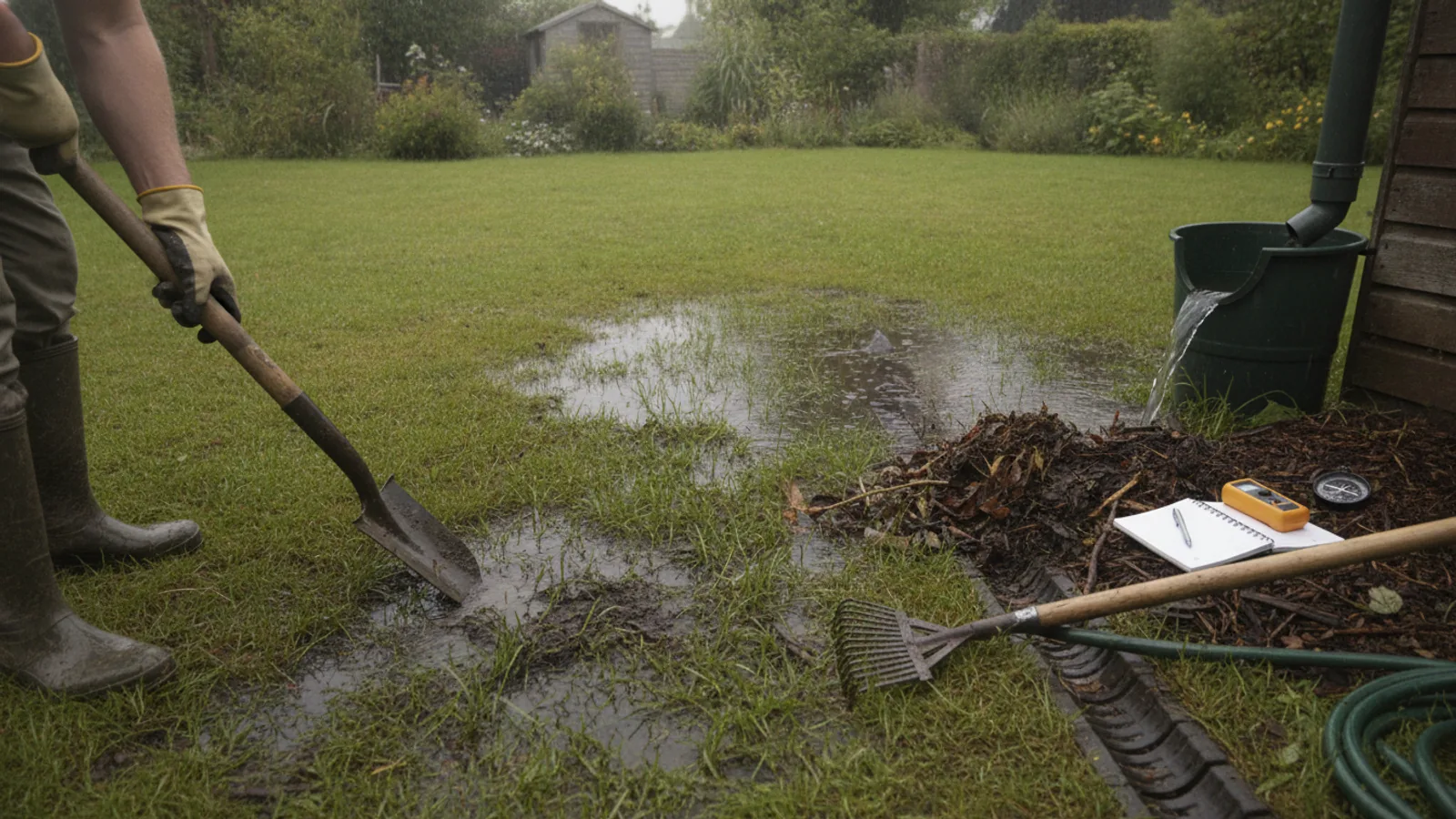
- The garden becomes waterlogged after rain, and plants die from root rot.: Improve drainage by incorporating coarse organic matter and grit into the soil, or install a drainage system like French drains. Plant in raised beds or mounds to raise root zones above water. Also, select plants that tolerate wet conditions, such as certain grasses or daylilies.
- Weeds constantly outcompete your plants, requiring frequent pulling.: Establish a thick layer of mulch and replenish it annually. Use a pre-emergent weed preventer that is safe for your plants. Consider planting dense groundcovers to shade out weeds. Remove weeds before they seed to reduce future growth.
Advanced Tips
- Incorporate drought-tolerant groundcovers like creeping thyme or sedum between larger plants to create a living mulch that suppresses weeds and holds moisture, adding texture and color without extra work.
- Install a rainwater harvesting system that directs downspout water to your front garden, either via a rain barrel or a simple swale, providing free water during dry spells and reducing runoff.
- Choose plants with varied root structures, such as taproots and fibrous roots, to occupy different soil levels and reduce competition, improving overall resilience and reducing watering needs.
Final Checklist
- Observe your garden's sun patterns for a full day and map the sunny, partial, and shaded areas to guide plant placement.
- Test soil drainage and pH, and amend the soil with compost or grit to ensure optimal growing conditions.
- Select only drought-tolerant, sun-loving plants suited to your local climate and soil, and group them by water needs.
- Install a drip irrigation or soaker hose system, and apply a 5-10 cm layer of mulch to suppress weeds and retain moisture.
FAQ
What is the best way to reduce watering in a sunny front garden?
To reduce watering, focus on soil preparation and mulching. Amend the soil with organic matter to improve its water-holding capacity, then apply a thick layer of mulch to keep moisture in and weeds out. Also, choose drought-tolerant plants and consider installing drip irrigation to deliver water efficiently. Group plants with similar water needs and water deeply but less often to encourage deep root growth.
How much sun does a 'sunny plot' need for most low-maintenance plants?
A sunny plot typically means at least six hours of direct sunlight per day, ideally more. However, actual sun exposure can vary across the garden. Check your specific areas: some plants prefer full sun (6+ hours), while others tolerate light shade. Observe your garden at different times to know exactly what you have, and choose plants accordingly. If you have less than six hours, still pick partially shade-tolerant plants to avoid scorching.
Can I have a low-maintenance front garden without using any irrigation?
Yes, it is possible if you choose native or drought-tolerant plants that are well-adapted to your local rainfall after establishment. During the first year, you'll need to water regularly to help roots establish, but once they are settled, they can survive on natural rainfall. To maximize the chance of success, improve soil drainage, add organic matter to retain moisture, and use a thick layer of mulch. Also, be prepared to water during extreme droughts.