What To Check Before A Pollinator Friendly Border For A Compact Garden
A practical step-by-step guide to what to check before a pollinator-friendly border for a compact garden, including preparation, instructions, common issues, tips, and next steps.
What To Check Before A Pollinator Friendly Border For A Compact Garden
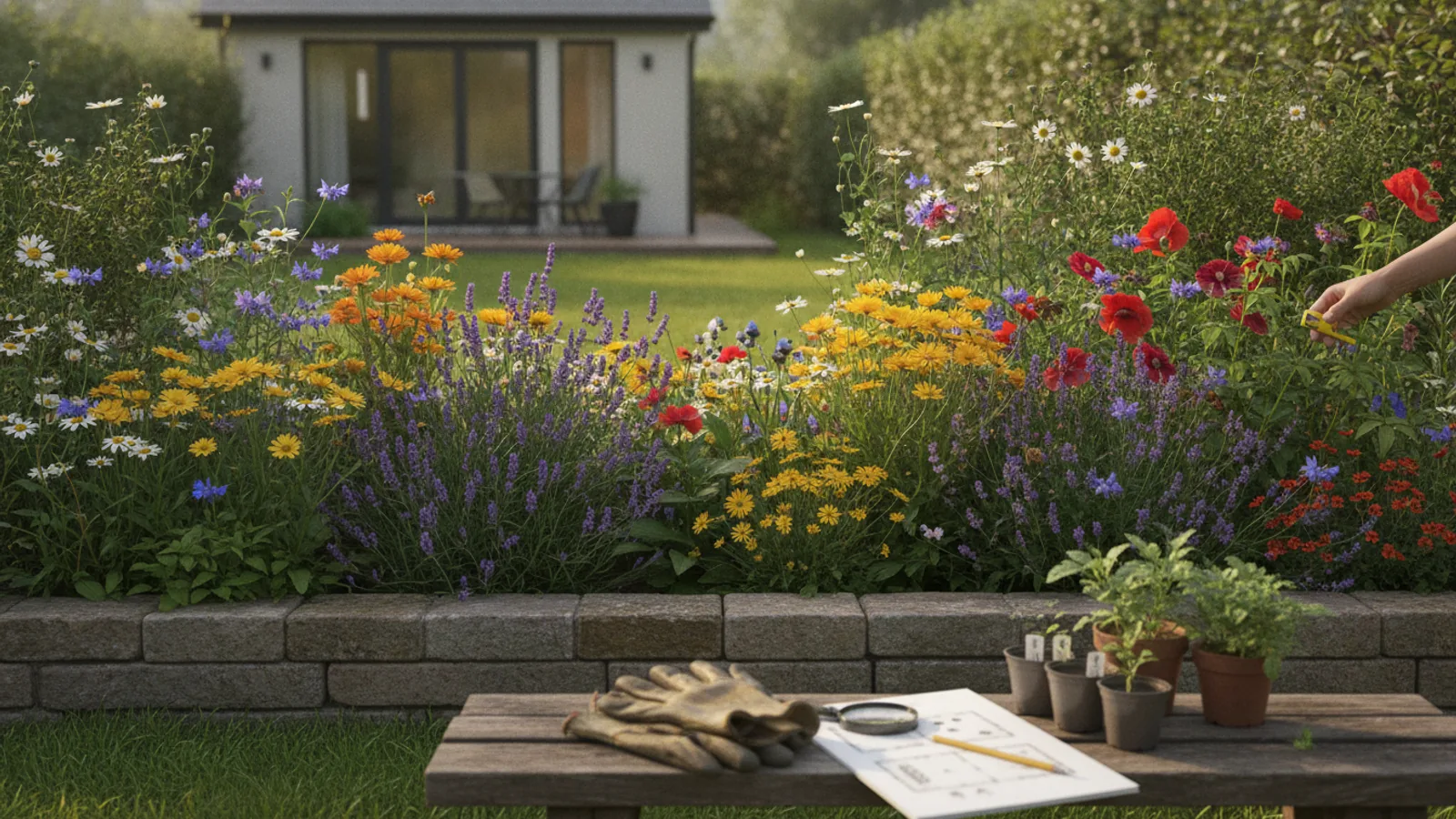
Creating a pollinator-friendly border in a compact garden requires careful planning to ensure it thrives in limited space. This guide walks you through essential checks before planting, covering sunlight, soil, plant selection, and maintenance. By evaluating your garden's conditions and choosing the right plants, you can support bees, butterflies, and other beneficial insects while enjoying a beautiful, low-maintenance border. The steps include assessing your space, preparing the soil, selecting diverse native plants, planning for continuous bloom, providing water and shelter, and committing to ongoing care. This practical approach ensures your mini meadow is both vibrant and sustainable, turning a small area into a haven for pollinators.
Fast Answer
- Check your garden's sunlight and soil type, then choose a mix of native, nectar-rich plants that bloom in succession to provide food all season.
- Ensure a water source and shelter are nearby, avoid pesticides, and commit to seasonally cutting back spent growth to support the full pollinator lifecycle.
Before You Start
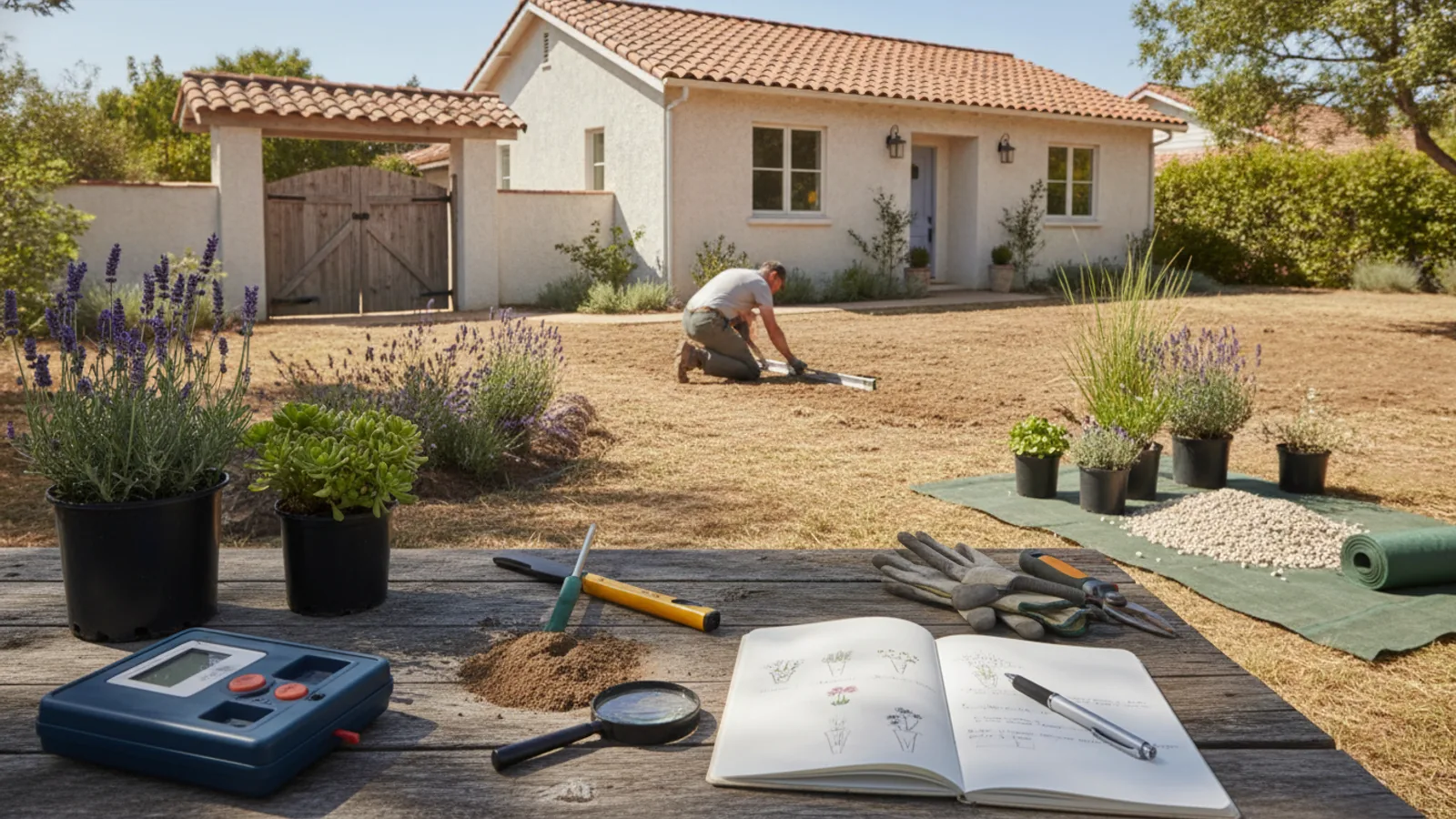
- Identify the exact sun exposure in your border by observing it every few hours for a week, noting direct sun, dappled shade, and full shade spots.
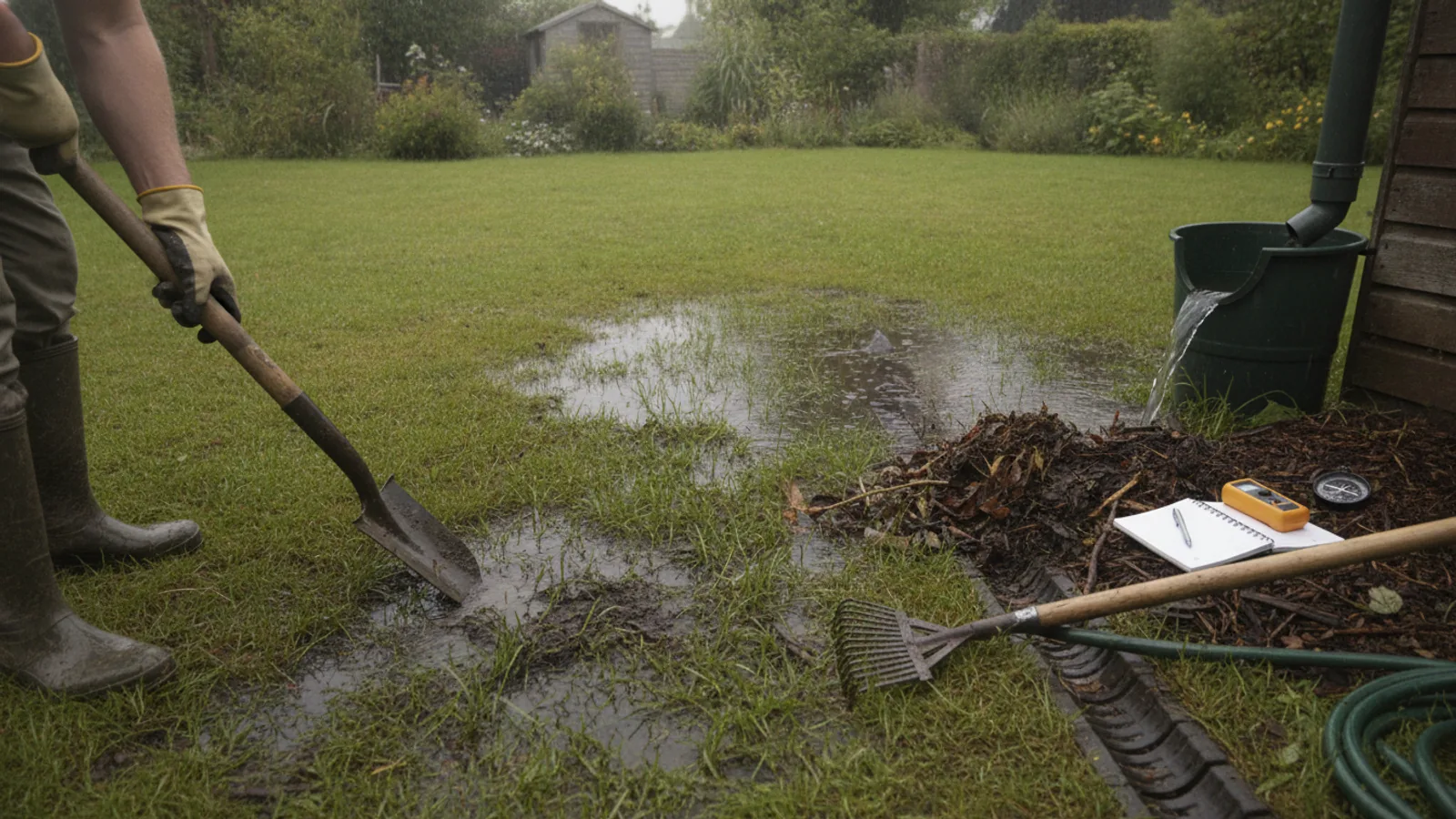
- Test your soil's drainage by digging a small hole, filling it with water, and timing how long it takes to drain; fast drainage means sandy soil, slow means clay.
- Make a list of plants known to attract pollinators in your region, focusing on native wildflowers like coneflowers, bee balm, and milkweed, as they support local insects.
- Measure the border's length and width to know how many plants you can fit, keeping spacing requirements in mind so mature plants don't overcrowd.
Step-by-Step Instructions
Evaluate Sunlight and Shade Patterns
Start by carefully observing how much sun your border actually receives throughout the day and across the seasons, because this determines which plants will thrive. Most flowering plants that pollinators love, such as black-eyed Susans and lavender, need at least six hours of direct sunlight to produce abundant nectar. If your border is in shade, choose shade-tolerant options like columbine and bleeding heart. To check, sketch the area and mark sunny spots at 9 am, noon, and 3 pm for a few days. Also note that light changes with the season; a spot that's sunny in spring may be shaded in summer when trees leaf out. This means you might need to adjust your plant choices based on the actual growing season. By matching the light to the plant's needs, you'll ensure good flowering and avoid wasting money on plants that fail. This first check prevents disappointment and leads to a border that bustles with bees and butterflies.
Assess Soil Drainage and Fertility
Healthy soil is the foundation of a successful pollinator border, so test how well your soil drains and what its texture is. To do a quick drainage test, dig a hole about a foot deep, fill it with water, wait for it to fully drain, then fill it again and time how long the water takes to disappear completely. If it drains in under two hours, your soil is well-drained, ideal for most wildflowers. If it takes over six hours, you have poor drainage and may need to add compost or build a raised bed. Also, feel the soil: is it gritty (sandy), sticky (clay), or smooth? Clay soils hold moisture but can waterlog roots; sandy soils drain fast but may dry out. Adding organic matter like compost improves both. Most native perennials prefer moderately fertile soil, so avoid heavy feeders that require fertilizer, as that can encourage leafy growth over flowers. This check ensures your plants get the right moisture balance, reducing root rot and supporting robust pollinator visits.
Choose a Diverse Mix of Native Plants
Select a variety of native flowering plants that offer different flower shapes, colors, and bloom times to attract a wide range of pollinators. Bees favor blue, purple, and yellow flowers like bluebells and sunflowers; butterflies like flat-topped clusters such as yarrow and milkweed; hummingbirds often are drawn to tubular red and orange blooms like trumpet vine. Aim for at least three species that bloom in spring, summer, and fall, so there's always a food source. For a compact border, choose compact cultivars or species that won't outgrow the space; check the mature height and spread. For example, 'Little Goldstar' black-eyed Susan stays small, while anise hyssop is tall but can be pruned. Also, include at least one host plant for caterpillars, such as milkweed for monarchs. Native plants have co-evolved with local pollinators, so they provide the right nutrition and are adapted to your climate. This diversity ensures that different pollinators can use the border and increases its resilience.
Plan for Continuous Bloom Throughout the Season
Your border should offer flowers from early spring to late fall, ensuring a steady nectar and pollen supply for the entire active season of pollinators. To do this, list the bloom months for each plant you're considering and aim for at least one plant in flower every period. For example, start with spring bloomers like pussy toes and golden ragwort, then add summer species like purple coneflower and coreopsis, and finish with fall favorites like asters and goldenrod. Note that some plants have a short bloom time (e.g., redbud trees), while others bloom for months (e.g., salvia). Also, consider the plant size: tall plants behind, short in front, so all are visible. Deadheading spent flowers can encourage a second bloom, but late in fall, leave seed heads for birds and insects to eat. This continuous sequence means pollinators always find a meal, increasing the chance they'll stay in your garden and use it as a breeding ground, which is the goal of a pollinator-friendly border.
Provide Water, Shelter, and Nesting Sites
Pollinators need more than flowers; they require water to drink, shelter from storms, and places to lay eggs. For water, create a shallow dish or birdbath with stones or pebbles so insects can land without drowning; keep it filled. For shelter, leave some bare patches of soil for ground-nesting bees (they need dry, undisturbed ground), and pile a few sticks or hollow stems in a corner for other insects. Upright plant stems left over winter provide nesting cavities for cavity-nesting bees. Also, a small heap of leaves or a wooden board on bricks can offer hiding places. These elements are especially vital in compact gardens where natural habitats are scarce. Do a quick check: is there a spot where water can collect safely? Can some soil remain untilled? Does your border include plants with pithy stems like elderberry or tall native grasses? Providing these features makes your border a complete habitat, not just a buffet, attracting a wider range of species and encouraging them to complete their life cycles in your garden.
Commit to Ongoing Maintenance With a Twist
A pollinator border requires different maintenance than a manicured garden. Forget the urge to cut everything down in fall; instead, leave stems and seed heads standing through winter to provide shelter and food for overwintering insects. In early spring, cut back dead growth to about six inches to make way for new shoots, then add a thin layer of compost. For weeds, hand-pull, but always identify first because some 'weeds' like dandelion are early nectar sources. Remember to water deeply during dry spells, but let the soil dry between waterings to encourage deep roots. If you see aphids, don't spray; a blast of water can knock them off, and many beneficial insects will prey on them. Also, keep a few plants like native thistles for butterflies, but watch that they don't crowd out others. This thoughtful maintenance keeps the border healthy and actively supports pollinator life cycles, making your compact garden a reliable sanctuary over time.
Quick Reference
| Situation | Action | Why it helps |
|---|---|---|
| The border is too shady for most sun-loving wildflowers; bees and butterflies rarely visit. | Replace with shade-tolerant native plants like ferns, coral bells, and wild ginger, and add a small water feature with gentle drips to catch their attention. | Shade-loving plants still provide nectar and pollen; they are adapted to low light and attract specialized pollinators that don't need bright sun. |
| After a rainfall, the border stays waterlogged for days, leading to root rot and plant death. | Amend the soil with coarse sand and compost, or construct a rain garden with a slight slope and plants that tolerate wet feet, such as turtlehead and swamp milkweed. | Good drainage is crucial for most native perennials; waterlogged soil suffocates roots, and plants like turtlehead thrive in moist but not soggy conditions. |
| You notice only honeybees and no native bumblebees or butterflies on your flowers | Don't panic; simply add more host plants for caterpillars, such as parsley for black swallowtails, and provide flat, open flowers like zinnias for butterflies to land on while feeding. | Different pollinators have different needs; host plants attract butterflies to lay eggs, and flat-topped flowers are easier for them to access compared to tubular blooms. |
Common Issues
- Plants become leggy and produce few flowers, especially in the middle of summer.: Ensure each plant is getting at least 6 hours of sun, thin overcrowded plants to improve air circulation, and consider pinching back some plants in early summer to encourage bushier growth with more buds.
- The border is alive with buzzing, but you see almost no butterflies; only bees seem to visit.: Butterflies need landing platforms, so add plants with flat flower clusters such as yarrow, milkweed, and coneflower. Also, provide a shallow puddling area and place a few flat stones in the sun for them to bask on.
- Your pollinator border is being overrun by aphids, mealybugs, or other small pests.: Resist the urge to spray. Instead, blast them off with a hose, encourage ladybugs and lacewings by planting dill and fennel, and if needed, apply an insecticidal soap only according to label directions, but avoid any pesticide that is systemically absorbed by the plant.
Advanced Tips
- Include a mix of flower shapes (tubular, flat, clustered) to cater to different tongue lengths and feeding methods of diverse pollinators.
- Create micro-habitats by introducing small logs with drilled holes, or tie dried plant stems into bundles and place them in sheltered spots to provide nesting for native bees.
- Consider 'pollinator corridors' by coordinating with neighbors to plant similar species, so your border becomes part of a larger network that supports more robust pollinator populations.
Final Checklist
- Sunlight: Has been tracked for a week to confirm at least 6 hours of direct sun for most of the border.
- Soil drainage tested and improved with organic matter if needed; plants chosen match the moisture level.
- Plant list includes 3 spring, 3 summer, and 3 fall bloomers that are native to your region and non-invasive.
- Water source, bare ground, and stem shelters are in place, and pesticide use has been eliminated from your garden routine.
FAQ
How can I attract pollinators if I only have a small balcony?
You can create a pocket pollinator garden using containers. Choose compact varieties of herbs like thyme, oregano, and lavender, and flowers like geraniums and petunias. Arrange pots to create a water source with a saucer filled with pebbles and water. Ensure they get sunlight and group them together to make a mini oasis. Even a small balcony can support bees and butterflies.
What are the best plants for a beginner in a sunny, compact border?
Start with easy, native plants that thrive in full sun and well-drained soil. For beginners, try purple coneflower (Echinacea purpurea), black-eyed Susan (Rudbeckia hirta), butterfly weed (Asclepias tuberosa), and wild bergamot (Monarda fistulosa). These are forgiving, bloom for a long time, and are highly attractive to pollinators. Just ensure they get enough water until established, and they will flourish.
Do I need to worry about pollinators finding my garden if it's surrounded by concrete?
Pollinators are surprisingly adept at finding food resources in built-up areas. Many urban gardens attract a variety of bees and butterflies, especially as native plants become more common. To enhance your chances, plant a diverse mix that includes yellow and blue flowers, which are most visible to bees. Also, set up a small water source and ensure you have some blooming plants throughout the season. Your garden can be a vital stopover.