Common Mistakes When Planning A Lawn Care Routine For A Dry Spell
A practical step-by-step guide to common mistakes when planning a lawn-care routine for a dry spell, including preparation, instructions, common issues, tips, and next steps.
Common Mistakes When Planning A Lawn Care Routine For A Dry Spell
Planning a lawn-care routine for a dry spell requires foresight and flexibility. Many homeowners make common mistakes such as overwatering, mowing too short, or fertilizing at the wrong time, which can stress the grass and lead to long-term damage. This guide helps you avoid these pitfalls by offering practical steps to adjust your watering schedule, mowing height, and soil care. You'll learn how to prepare your lawn before drought, manage it during the dry period, and recover it afterward. By following these proven strategies, you can maintain a resilient, healthy lawn even in challenging conditions.
Fast Answer
- Adjust mowing height: raise the blade to at least 3 inches to shade the soil and reduce moisture loss, and never remove more than one-third of the grass blade at a time.
- Water deeply and less frequently: aim for 1 to 1.5 inches of water per week in one or two sessions early morning to encourage deep root growth and reduce evaporation.
Before You Start
- Check your soil type and drainage by digging a small hole and observing how fast water is absorbed. Sandy soil drains quickly, while clay holds water longer but may compact.
- Set your mower deck to a higher cutting height (at least 3 inches) before the dry spell begins to promote deeper roots and better heat tolerance.
- Identify any areas of the lawn that suffer from poor drainage or runoff, as these will need special attention during dry conditions.
- Create a watering schedule based on your local climate and any watering restrictions in your area, and mark your calendar to monitor rainfall and adjust accordingly.
Step-by-Step Instructions
Assess Your Lawn's Current Health
Before you adjust your routine, take time to inspect your lawn carefully. Walk across the turf and look for signs of stress such as color changes (from vibrant green to bluish-gray), footprint marks that remain indented, or curling leaf blades. Check the soil moisture by pushing a screwdriver into the ground; if it penetrates with little resistance, the soil is still moist. Pinch a few grass blades between your fingers—if they are brittle and break easily, the lawn is too dry. Also, look for weeds or pests that might be taking advantage of weakened grass. This assessment reveals which areas need more attention and helps you avoid watering the entire lawn uniformly when only certain spots require it. Knowing the baseline condition lets you tailor your care, prevents overwatering that can cause fungus, and ensures that your efforts focus on the most fragile zones. Take notes on the problem areas so you can monitor them during the dry spell.
Adjust Mowing Height and Frequency
During a dry spell, the ideal mowing height is higher than usual—around 3 to 4 inches for most grass types. Taller grass shades the soil, reducing evaporation and keeping the roots cooler. It also encourages deeper root growth, which is essential for finding moisture deep underground. Keep your mower blade sharp to avoid tearing the grass, which can increase water loss and invite disease. Mow only when the grass is dry, preferably in the early morning or late evening to avoid heat stress. As a rule, never remove more than one-third of the leaf blade at a time. When the lawn is stressed, it grows more slowly, so you may need to mow less often. Some gardeners choose to stop mowing altogether when the drought is severe, letting the grass go dormant. If you do mow, leave the clippings on the lawn—they act as a natural mulch and return valuable moisture and nutrients to the soil. This simple adjustment can significantly reduce water loss and keep your lawn healthier during the dry period.
Water Deeply and Infrequently
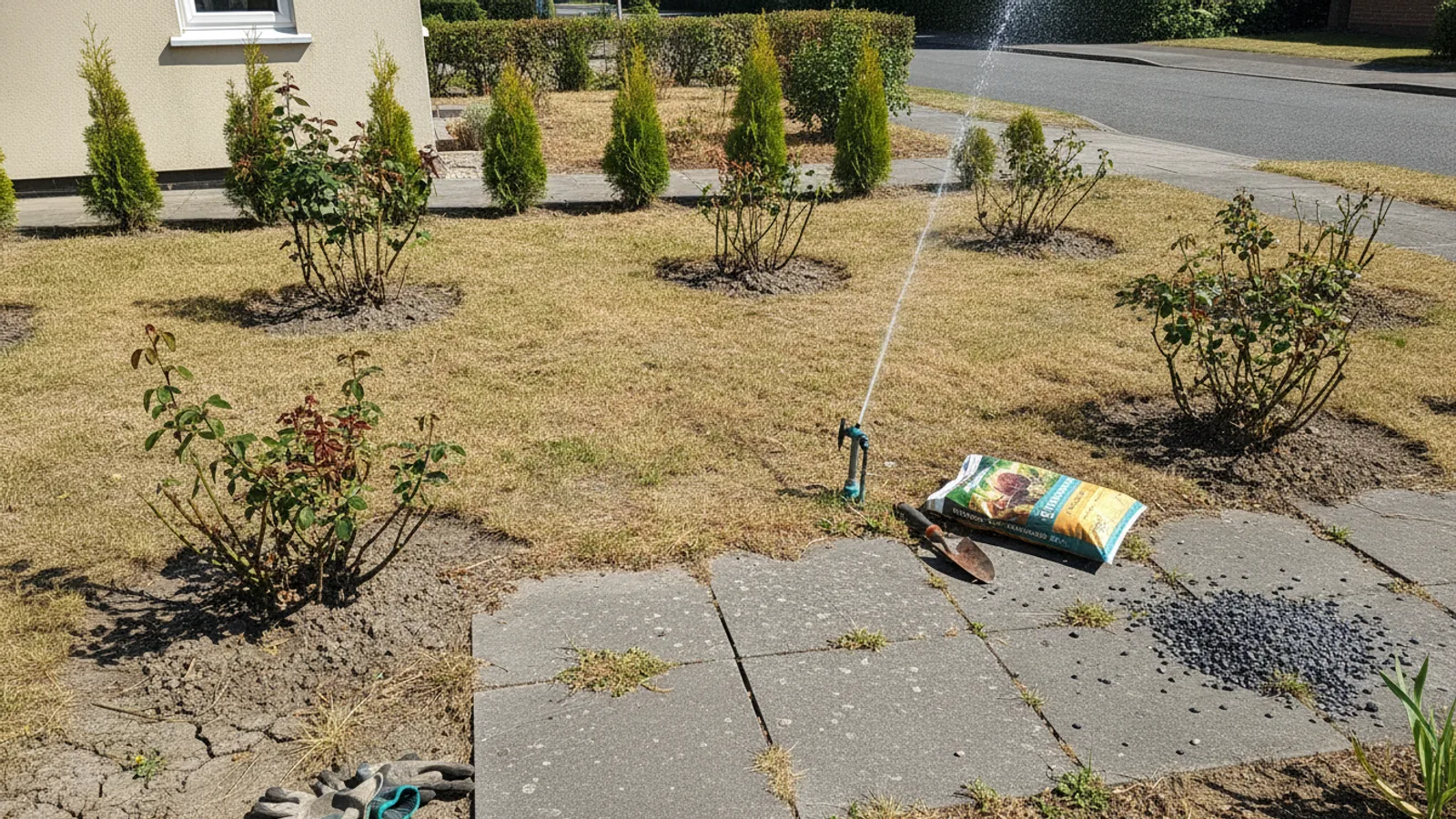
The most common watering mistake during a dry spell is giving the lawn light sprinkles every day. This wets only the top inch of soil, encouraging roots to stay shallow and making the grass more vulnerable to drought. Instead, water deeply and less frequently—ideally one or two times per week, delivering about 1 to 1.5 inches of water each time. To measure coverage, place a few empty tuna cans or rain gauges in different areas when you run your sprinkler. Water until the soil is moistened to a depth of 6 to 8 inches; this can take 30 to 60 minutes depending on your system and soil type. Water in the early morning (between 4 a.m. and 8 a.m.) to reduce evaporation and allow the blades to dry before evening, minimizing disease risk. If rainfall occurs, adjust your schedule accordingly—use a rain sensor or manually skip a watering session. Deep watering trains roots to grow downward, making the lawn more resilient to extended dry periods. Avoid watering during the hottest part of the day, as much of it will evaporate before reaching the roots.
Reduce Foot Traffic and Lawn Stress
During a dry spell, your lawn is already under stress, so you should minimize additional wear. Keep foot traffic to a minimum, especially when the grass is showing signs of drought like a bluish color or footprints that remain after walking. For children and pets, design a path or play area on a hardscape or mulched zone to reduce compaction on the turf. Compacted soil makes it difficult for roots to access water and oxygen, and walking on dry, brittle grass can cause permanent damage. If you must walk across the lawn, try to vary your route to spread the stress. Also avoid parking vehicles or equipment on the lawn, as the weight can crush the grass and create bare patches. When mowing, use a sharp blade and consider skipping a week if the grass is dormant. By reducing traffic, you allow the grass to conserve energy and recover more quickly when rain returns. This simple step can make a big difference in preserving the lawn's health during a drought.
Hold Off on Fertilizing and Chemical Treatments
Applying fertilizer, especially high-nitrogen types, during a dry spell can harm your lawn. Nitrogen promotes rapid growth, which increases the plant's water needs and can cause the grass to burn when it is already suffering from drought. Likewise, herbicides and pesticides can stress the lawn further, as the grass is not in a condition to metabolize chemicals efficiently. Instead, delay any fertilization until the lawn has recovered and rainfall has returned. If you feel you must treat weeds, do so in the cooler part of the day and spot-treat rather than broadcasting over the whole lawn. Also, avoid using pre-emergent weed preventers that rely on moisture to activate, as they may be ineffective in dry conditions. Always read the product label and follow instructions on drought usage. By holding off on chemicals, you reduce additional stress and allow the grass to allocate its limited resources to root survival rather than top growth.
Monitor and Adapt as the Dry Spell Continues
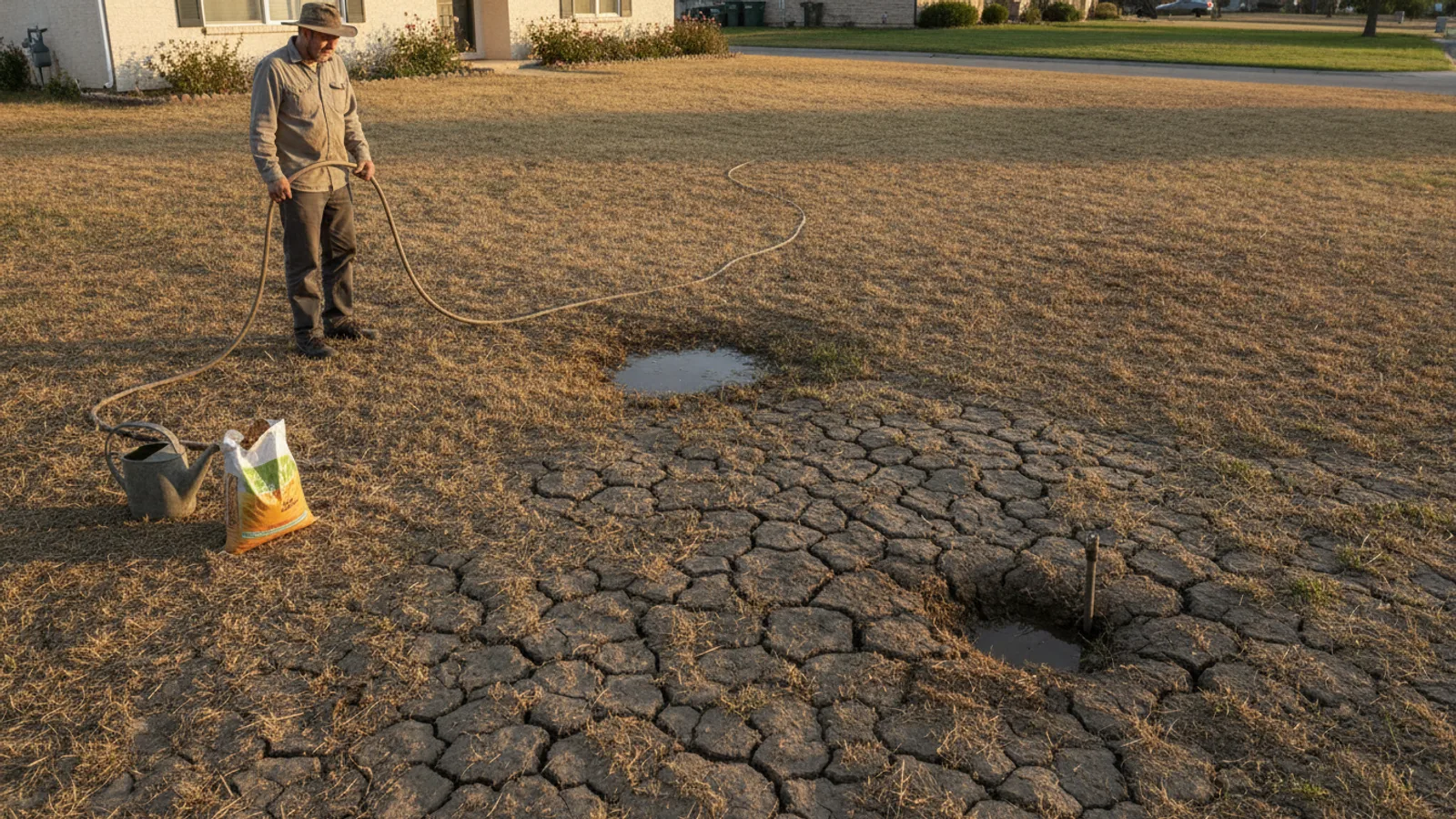
A dry spell is not static; conditions change week to week. Regularly monitor your lawn and your local weather forecast so you can adapt your routine. Track rainfall with a rain gauge, and adjust your watering accordingly. If the ground becomes so dry that it cracks, water slowly to avoid runoff. If your grass turns brown and goes dormant, do not panic—it may revive when rain returns. Stop watering once the lawn is dormant, because water application is wasted during this period. Keep an eye on weeds: some thrive in dry conditions, so hand-pull or spot-treat them. Also, watch for pest issues like chinch bugs, which often attack drought-stressed lawns. Keep a lawn journal to note what works and what does not. When the dry spell ends, gradually resume normal care—do not overwater or fertilize immediately. Ease back into your regular mowing and watering schedule to give the lawn time to recover. This adaptive approach helps you maintain the best possible lawn with minimal waste.
Quick Reference
| Situation | Action | Why it helps |
|---|---|---|
| You notice your lawn has a bluish-gray color and footprints remain after walking on it. | Check soil moisture by pushing a screwdriver; if dry, water deeply to a depth of 6 inches, and raise mower height to 3 inches. | These signs indicate drought stress and shallow roots; deep watering encourages deeper roots, and higher mowing shades the soil. |
| Your lawn is starting to turn brown and you are tempted to water every day to green it up. | Measure rainfall and if the lawn has received less than 1 inch in a week, water once deeply (1 inch) in the early morning. | Frequent shallow watering causes roots to stay near the surface, making the lawn less drought-tolerant and wasting water. |
| You see crumbly bare patches in the lawn from heavy foot traffic during the drought. | Rope off the affected area to keep off foot traffic, reduce mowing frequency, and lightly overseed with drought-tolerant grass once the drought ends. | Compacted, bare areas are vulnerable to erosion and weed invasion; resting the area allows it to recover if conditions improve. |
Common Issues
- Overwatering causes shallow roots and makes the lawn dependent on frequent watering.: Switch to deep, infrequent watering sessions that saturate the soil to 6-8 inches, and space them enough to allow the soil to dry slightly between waterings.
- Mowing too short scalps the grass and exposes the soil to direct sun, increasing evaporation and stress.: Set the mower blade to the highest setting (3-4 inches) and never cut more than one-third of the leaf blade at once. Keep blades sharp.
- Fertilizing during a dry spell burns the lawn and increases its water needs.: Stop all fertilizer applications until the drought ends and the lawn shows active growth. Consider a slow-release or low-nitrogen option in the fall.
Advanced Tips
- Install a rain sensor that automatically skips watering when significant rainfall has occurred, saving water and preventing overwatering.
- Apply a layer of organic compost as a top dressing before a dry spell to improve soil structure, water retention, and microbial activity.
- Consider planting drought-tolerant grass species or clover in sunny areas, as they require less water and stay green longer during dry periods.
Final Checklist
- Mower blade raised to at least 3 inches to encourage root growth and soil shading.
- Watering schedule set to deep, infrequent sessions in the early morning, adjusted for rainfall.
- Foot traffic minimized and high-stress areas marked for aeration and overseeding later.
- Fertilizer and chemicals put away until the lawn shows recovery signs after the drought.
FAQ
Should I stop mowing altogether during a dry spell?
It depends on the severity of the drought. If the grass is growing very slowly or has gone dormant, you can reduce mowing frequency or stop until rain returns. When you do mow, keep the height high and never remove more than one-third of the blade. This reduces stress and helps the lawn conserve moisture.
How can I tell if my lawn is truly dormant or dying?
Dormant grass appears brown and dry on top, but the crown and roots remain alive. To check, gently tug on a few blades—if they resist and the roots are firm, it is dormant. If the grass easily pulls up and the roots are dry and brittle, it may be dying. Also, water deeply and see if areas green up within a week.
Is it okay to water my lawn at any time of day?
The best time is early morning, typically between 4 and 8 a.m. This allows water to soak in before the heat of the day and lets the grass blades dry quickly, reducing the risk of fungal diseases. Avoid watering in the evening if possible because prolonged moisture on the leaves overnight can promote disease.