Common Mistakes When Planning A Low Maintenance Front Garden For A Sunny Plot
A practical step-by-step guide to common mistakes when planning a low-maintenance front garden for a sunny plot, including preparation, instructions, common issues, tips, and next steps.
Common Mistakes When Planning A Low Maintenance Front Garden For A Sunny Plot
Planning a low-maintenance front garden for a sunny plot can be simple if you avoid common mistakes. This guide covers essential steps from soil preparation to plant selection, ensuring your garden thrives with minimal effort. Learn how to balance beauty and practicality, choose the right plants, and manage water wisely. Whether you are a beginner or experienced gardener, these tips will help you create a welcoming, easy-care front garden that enhances your home's curb appeal without consuming all your weekends.
Fast Answer
- Start by observing your garden's sunlight patterns and soil type to choose plants that naturally thrive in your conditions, reducing the need for extra care.
- Limit lawn areas and use mulch or ground covers to suppress weeds, retain moisture, and cut down on watering and weeding tasks.
Before You Start
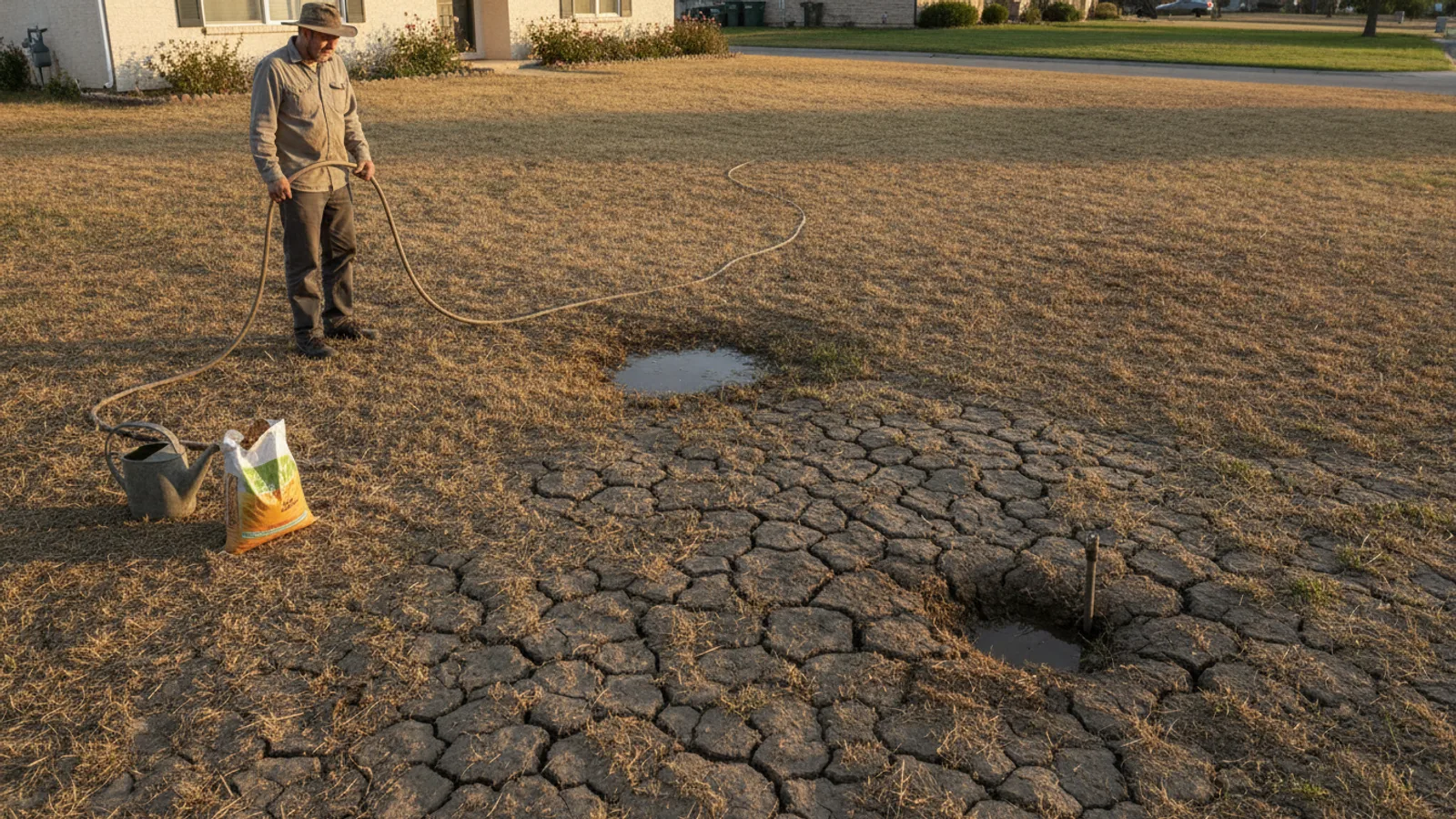
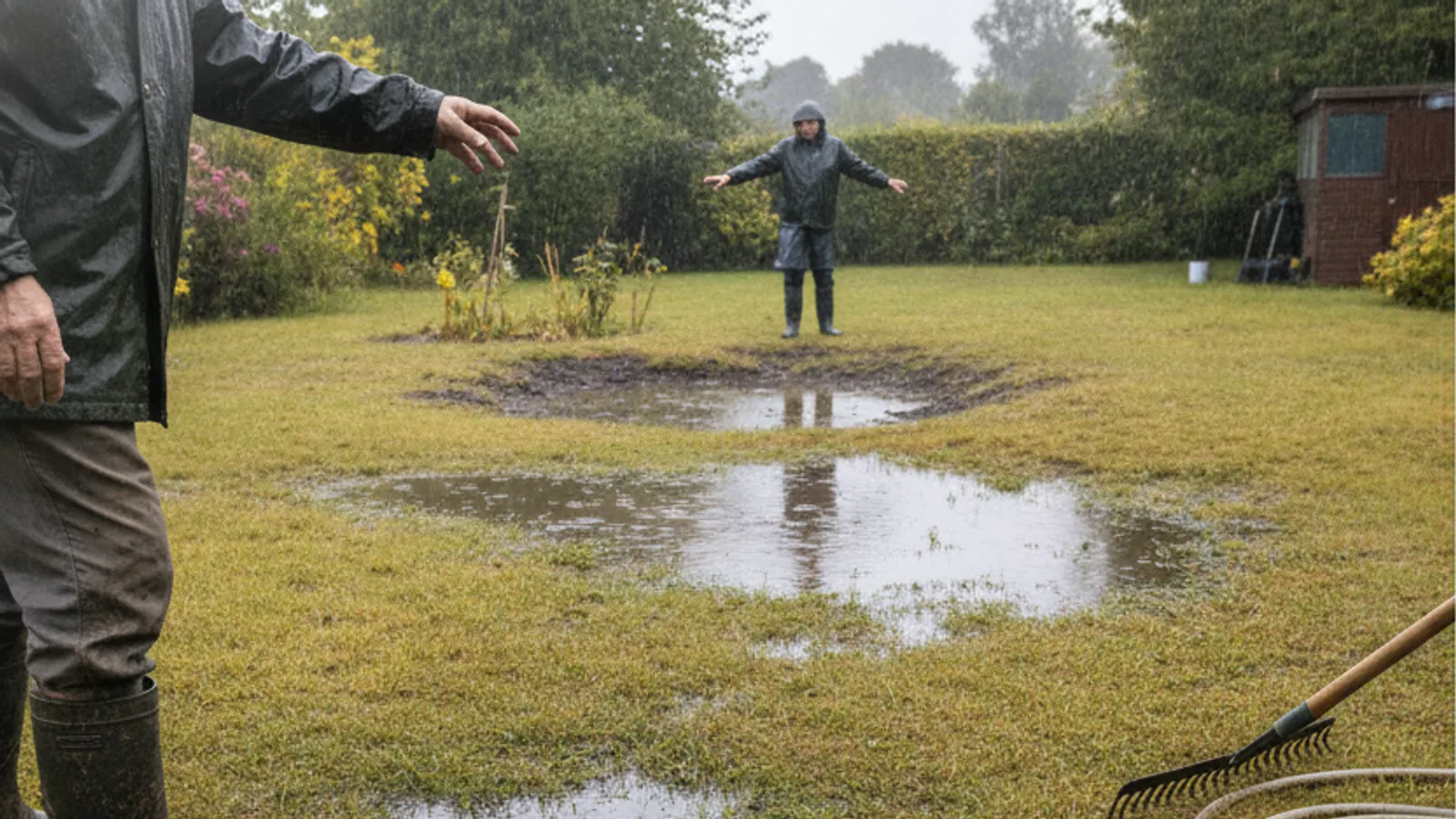
- Check your garden's soil drainage by digging a small hole, filling it with water, and timing how long it takes to drain; this tells you if you need to improve drainage.
- Observe sunlight at different times of day for at least a week to know exactly which spots get full sun, partial shade, or full shade.
- Make a simple sketch of your front garden, noting existing features like paths, walls, and utility meters so you can plan around them.
- Clear the area of weeds and debris, removing roots and stones, to give new plants a clean start and reduce competition.
Step-by-Step Instructions
Assess Your Sunlight and Soil
Before you buy a single plant, you need to understand the unique conditions of your front garden. Start by watching how sunlight falls on your plot at different times: morning, midday, and afternoon. Make notes for at least a week, because sun patterns shift with seasons. Full sun means at least six hours of direct sun daily, usually in a south- or west-facing spot. Next, test your soil's drainage. Dig a hole about one foot deep and wide, fill it with water, and see how long it takes to drain. If it takes more than six hours, you have poor drainage that will harm many plants. Also, feel the soil: sandy soil drains fast but dries out quickly, clay soil holds water but becomes compacted. You can buy a simple soil test kit to check pH and nutrient levels, but often you can tell by looking at neighboring gardens. Understanding these basics ensures you pick plants that will genuinely thrive with little fuss, saving you from constant replanting and watering.
Design for Easy Access and Maintenance
Draw a simple plan of your front garden, including where you walk, doors, windows, and any utility boxes. The goal is to create a design that is both attractive and practical. Avoid placing dense planting right next to the front path; leave a buffer so you can walk comfortably and reach each plant without stepping on soil that could get compacted. Consider adding a layer of gravel or stepping stones to create a clear route, which also reduces muddy patches. When you plan planting beds, keep them narrow enough (about three feet) so you can reach the center without stretching or stepping in. This simple rule makes weeding and mulching much easier. Also, think about how you will water: you may want to install a drip irrigation system or place a rain barrel near a downspout. Allowing for easy access to every part of the garden reduces daily chores and keeps your garden looking neat with minimal effort.
Choose Plants Wisely for Sun and Drought
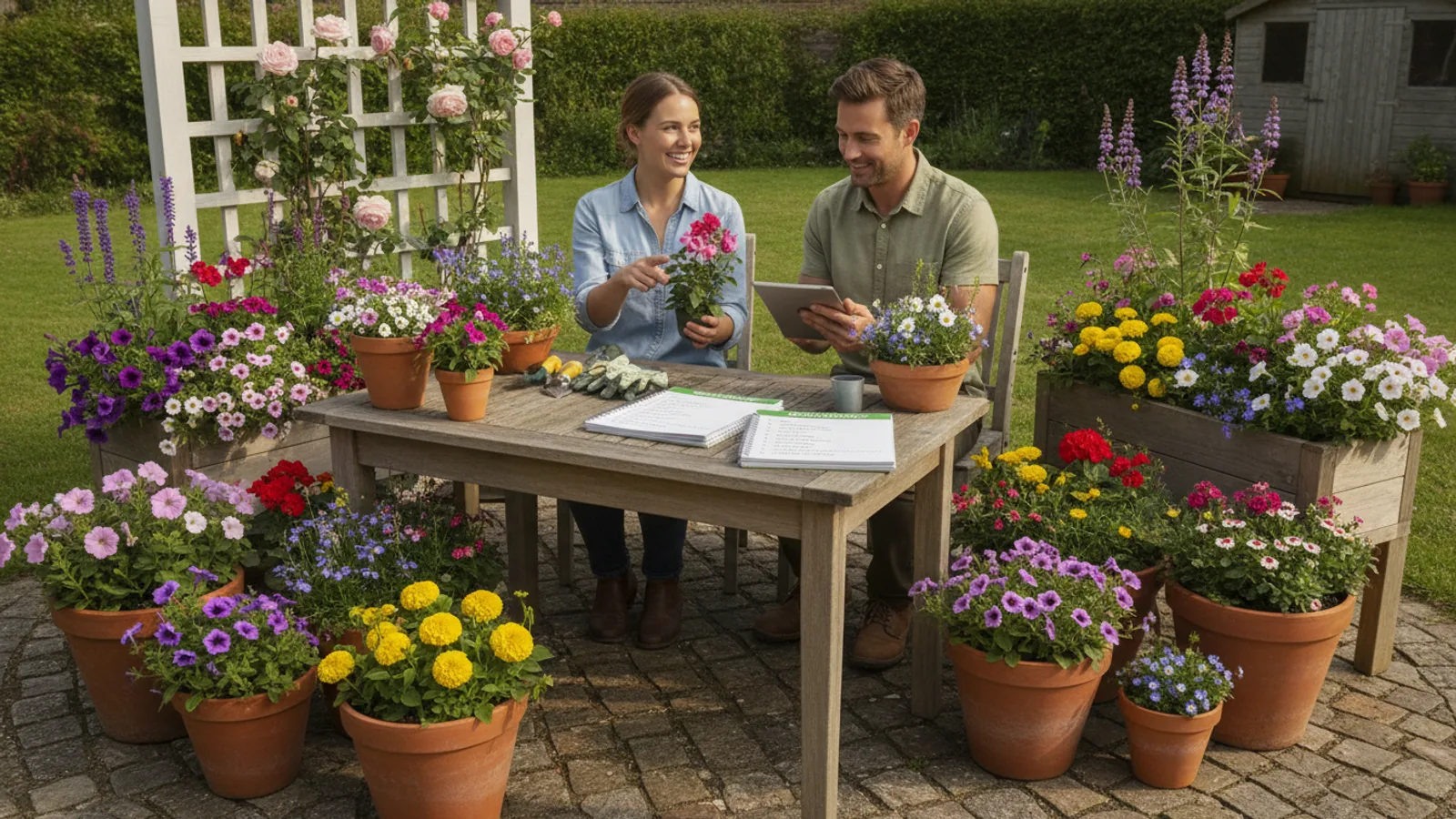
Now comes the fun part: selecting plants that will flourish with little intervention. Because your garden is sunny, you need sun-loving, drought-tolerant plants. Look for those labeled as suitable for full sun and low water, but always cross-check with your own observations. Native plants are excellent choices because they have adapted to your region's rainfall and soils, so they need little extra water. Perennials are preferable to annuals because they come back each year, saving you replanting time. Also, consider ornamental grasses and ground covers that fill space quickly and suppress weeds. When you visit a nursery, ask for plants that attract pollinators, as they often require less maintenance and bring beneficial insects. Avoid plants that need constant deadheading, staking, or pruning unless you genuinely enjoy the task. By choosing the right plant for the right spot, you reduce the need for watering, feeding, and pest control.
Prepare the Soil Properly Before Planting
Good soil is the foundation of a low-maintenance garden. Spend time preparing it once, and you will save hours later. Start by removing any existing weeds, roots, and rocks. Then, incorporate organic matter like compost or well-rotted manure into the top few inches of soil; this improves drainage in clay and water retention in sandy soil. If your drainage test showed poor results, consider building raised beds or adding grit to improve aeration. Take a soil test to see if you need lime or sulfur to adjust pH, but that is usually unnecessary. After you have amended the soil, level it and remove any air pockets by gently treading or using a rake. Adding a layer of mulch (about two to three inches) after planting helps keep soil moisture even and blocks weeds. This initial effort pays off: well-prepared soil means healthier plants that rarely need extra feeding or watering.
Install Effective Mulch and Weed Barriers
A good layer of mulch is your best friend in a low-maintenance garden. Mulch conserves soil moisture, keeps soil temperature steady, and prevents most weed seeds from germinating. Organic mulches like wood chips, bark, or compost break down over time and enrich the soil. Inorganic options like gravel or stones last longer but do not feed the soil. Before you lay mulch, you can put down a weed barrier fabric. However, use caution: some fabrics degrade and become ineffective, and they can hinder water and air penetration if not properly installed. Instead, several layers of newspaper or cardboard work well at the start, and they break down naturally. When you apply mulch, spread it to a depth of two to three inches, but keep it a few inches away from plant stems and tree trunks to prevent rot. Replenish organic mulch each year in spring, but this is a quick task compared to weeding.
Set Up a Simple Watering System
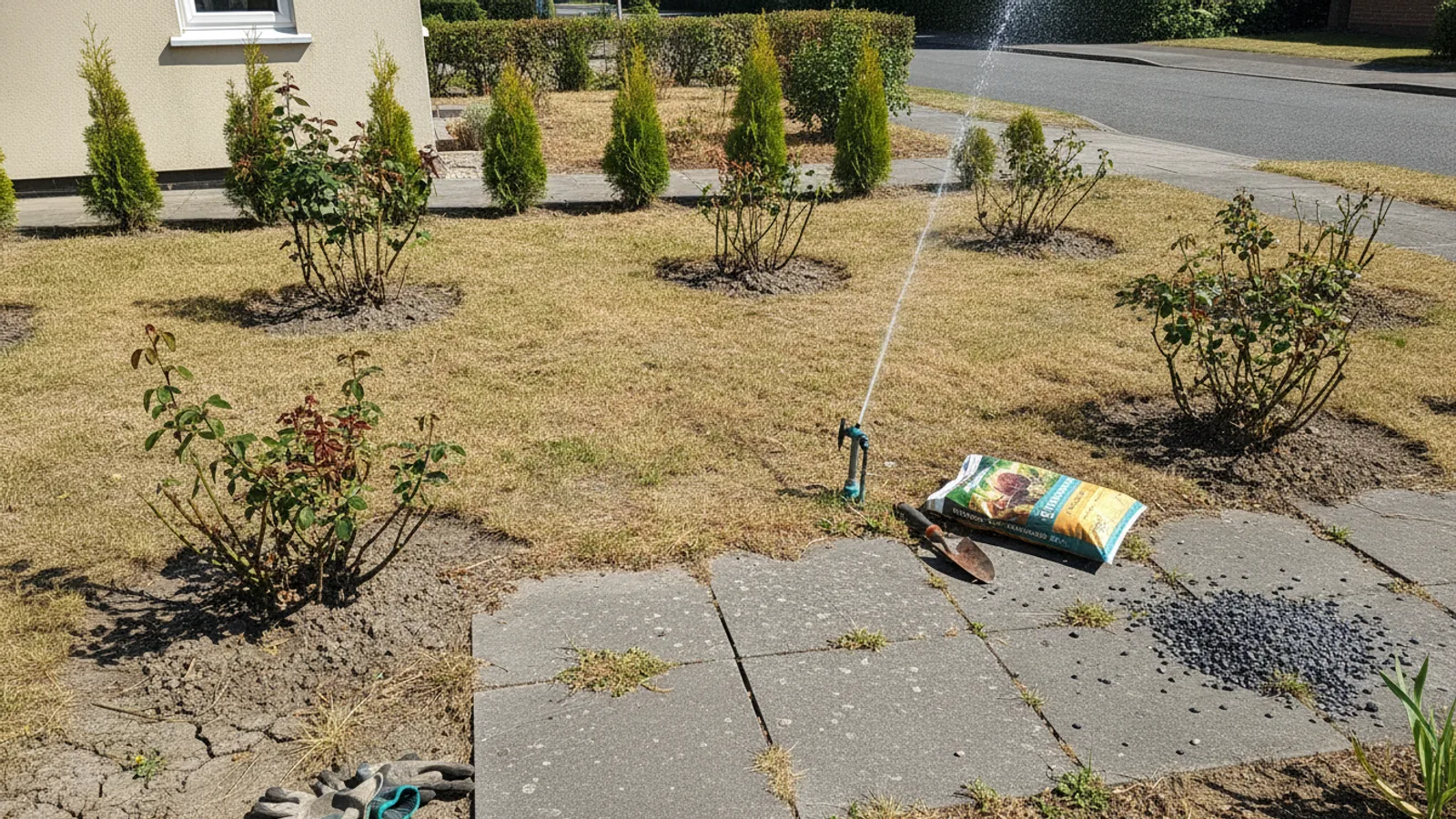
Regular, deep watering is essential for new plants, but you can make it effortless with a simple system. The initial six to eight weeks after planting are critical; your plants need consistent moisture to establish roots. You can install a soaker hose or drip irrigation system on a timer to water deeply and slowly, minimizing evaporation and runoff. This also prevents water from hitting leaves, which reduces disease. Place the lines so they deliver water directly to the root zone of each plant. If that seems too complex, use a handheld hose with a wand, but water in the early morning to reduce loss. After your plants are established, you can reduce watering frequency; deep watering once a week is better than light daily sprinkles. During dry spells, check the soil moisture with your finger a couple of inches down. By automating or simplifying watering, you free up your time for other tasks.
Quick Reference
| Situation | Action | Why it helps |
|---|---|---|
| You see bare soil in your sunny garden | Plant a ground cover like creeping thyme or sedum, or apply a thick layer of mulch to cover bare soil. | Bare soil invites weeds, loses moisture, and erodes, so covering it reduces weeding and watering. |
| Your plants are wilting even though you water regularly | Dig into the soil near the plants to check moisture and drainage; if it is soggy, amend the soil with organic matter or move the plants to a drier spot. | Poor drainage can suffocate roots and mimic drought signs, so correcting it prevents plant death and extra watering. |
| Weeds keep popping up in your garden beds | Apply a fresh layer of organic mulch (two to three inches) and hand-pull existing weeds; consider using a pre-emergent weed suppressant labeled for your plants. | Mulch blocks light from reaching weed seeds, and a pre-emergent prevents germination, reducing manual weeding. |
Common Issues
- Plants are growing too close together and shading each other: Thin out or relocate overcrowded plants, and when planting new ones, follow the mature spacing guidelines on the label or research online.
- Leaves are scorched from too much intense sun: Plant heat-tolerant species or provide light shade during the hottest part of the day using a shade cloth or by planting taller companions nearby.
- Mulch is washing away with rain or is too thin: Replace or top up mulch to a consistent depth of two to three inches, and use larger-sized chips or bark that are less likely to wash away.
Advanced Tips
- Install a simple drip irrigation system with a timer and soil moisture sensor to automate watering for zero daily effort.
- Try xeriscaping principles: use gravel or stone as mulch, group plants with similar water needs, and eliminate high-water lawns.
- Choose a few key evergreen shrubs with interesting texture and color to give structure, then surround them with perennials that provide seasonal interest.
Final Checklist
- Observed sunlight patterns and tested soil drainage to confirm your garden's conditions.
- Chose sun-loving, drought-tolerant plants that suit your soil and need minimal pruning or deadheading.
- Installed a simple drip irrigation system or soaker hose with a timer to water efficiently.
- Applied a two- to three-inch layer of organic mulch over all exposed soil to suppress weeds and conserve moisture.
FAQ
How often should I water a low-maintenance front garden?
For the first six to eight weeks after planting, water new plants deeply twice a week, adjusting for rainfall. After that, most drought-tolerant plants only need watering during prolonged dry spells, about once a week. Always check the soil moisture a few inches down before watering; if it's still damp, wait.
Can I have a lawn in a low-maintenance front garden?
Yes, but keep it small and choose a grass type that tolerates drought and low mowing. Alternatively, replace lawn with a gravel garden or ground covers like clover, which need less water and mowing. A smaller lawn reduces maintenance time significantly.
What are the best mulch materials for a sunny garden?
Organic mulches like wood chips, bark, and compost are excellent because they conserve moisture, suppress weeds, and improve soil as they break down. Gravel or pebbles work well too, especially in very dry areas, but they do not enrich the soil. Choose a mulch that fits your aesthetic and reapply organic mulch yearly.