Common Mistakes When Planning A Small Patio Planting Plan For Long Summer Colour
A practical step-by-step guide to common mistakes when planning a small patio planting plan for long summer colour, including preparation, instructions, common issues, tips, and next steps.
Common Mistakes When Planning A Small Patio Planting Plan For Long Summer Colour
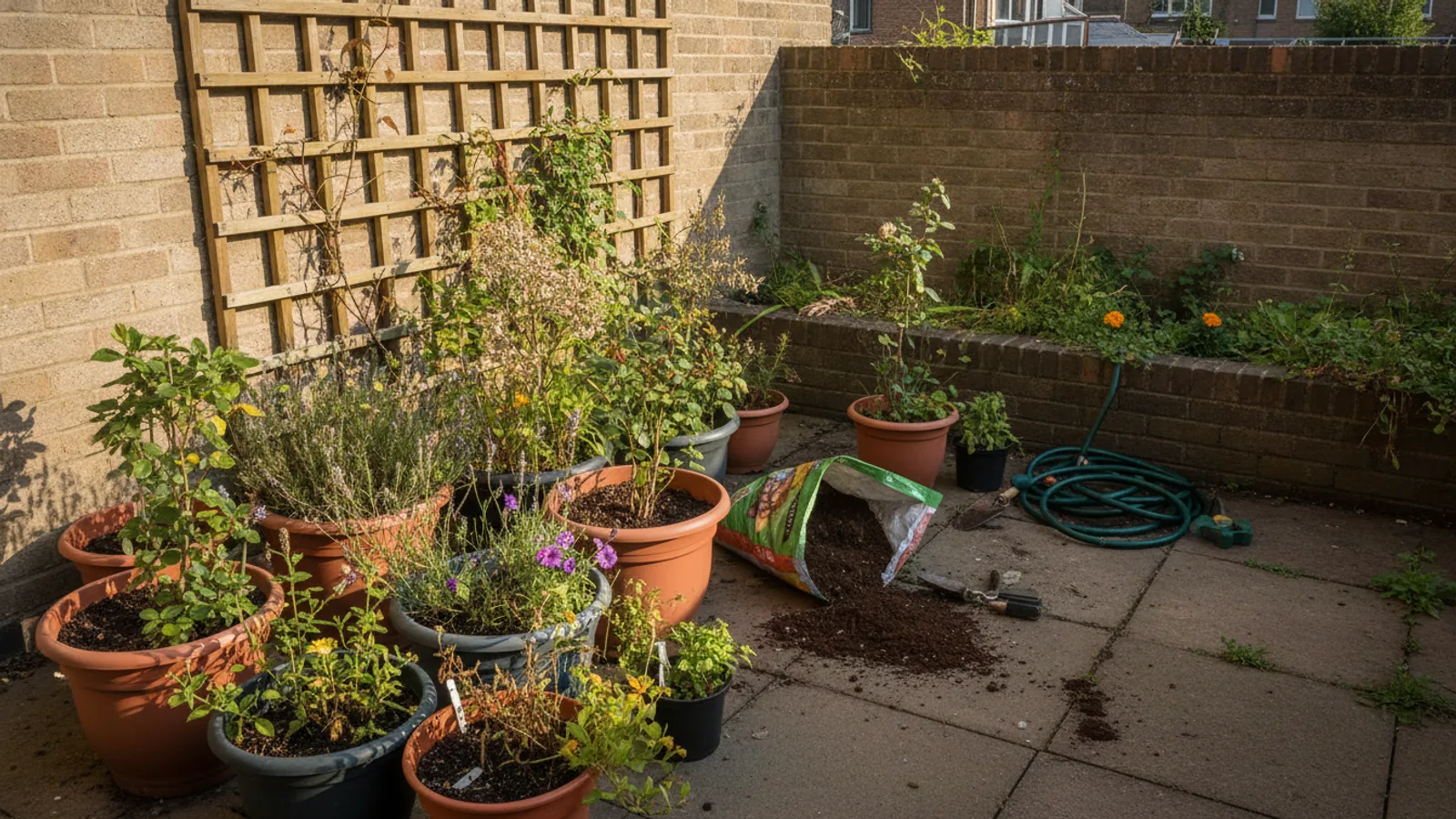
Planning a small patio planting for long summer colour often fails because of overlooked details: sun exposure changes, container size, soil quality, watering needs, and plant compatibility. This guide walks you through common mistakes and how to avoid them, ensuring your patio stays vibrant from early summer to autumn. By assessing your space, choosing the right plants, preparing containers properly, and maintaining a consistent care routine, you can create a colourful, healthy display that lasts. Each step offers practical checks and tips to keep your planting plan on track, helping even beginners achieve a professional-looking patio garden.
Fast Answer
- Choose plants based on your patio’s sunlight pattern, not just on flower colour. Track sun for a few days before buying so you pick plants that will thrive in your specific conditions.
- Plant in large containers with good drainage and use a high-quality potting mix, not garden soil. This prevents root rot and provides the nutrients needed for sustained flowering.
Before You Start
- Measure your patio space and note how many containers you can fit without crowding. Allow at least 30 cm between pots for air circulation and easy maintenance, and plan for weight if you have a balcony.
- Observe the sunlight across the day: mark areas that get full sun (6+ hours), partial shade (3-6 hours), or full shade (less than 3 hours). This determines which plants will bloom longest.
- Gather essential materials: large pots with drainage holes, quality potting mix, slow-release fertilizer, water-retaining granules (if you often forget to water), and a watering can or hose with a gentle nozzle.
- Decide on a colour scheme or theme (e.g., cool blues and whites, or hot reds and oranges). This helps you choose plants that complement each other and avoids a chaotic look.
Step-by-Step Instructions
Assess Your Patio's Light and Microclimate
Before you buy anything, spend two or three days watching how sunlight moves across your patio. Note which areas get direct sun in the morning, afternoon, and evening, and for how many hours. Also check for reflected heat from walls or fences, which can dry out containers faster. This simple audit prevents the classic mistake of planting sun-loving petunias in a shady corner or shade-tolerant begonias in blazing sun. Once you know your light pattern, choose plants that match it. For a small patio, you might have a mix of conditions, so group plants with similar needs together. A practical check: at noon, see if there is a shadow on the spot where you plan to place a pot. If yes, that spot gets less than six hours of direct sun. Understanding your microclimate is essential because it influences how often you water and which plants will bloom continuously.
Select Plants for a Long Bloom Season
Look for plants that are known for ‘long flowering’ or ‘repeat blooming’. Annuals like petunias, marigolds, and zinnias bloom all summer if you deadhead them, while perennials like coreopsis and salvia offer a long display but may pause in extreme heat. A mix of annuals and perennials gives you colour from June to September. Check the plant tag for bloom time and choose a variety that starts early and ends late. For a small patio, use compact varieties that don’t sprawl, such as 'Superbells' calibrachoa or 'Serena' angelonia. Avoid large shrubs or climbers unless you have a big trellis. Plant a mix of heights: upright plants in the centre, trailing plants at the edge. This creates a full look without overcrowding. A practical check: count the number of flower buds on each plant before buying – more buds mean a longer bloom.
Prepare Containers with Proper Drainage and Soil
Small pots dry out quickly, but poor drainage is even worse. Start by placing a layer of broken terracotta or gravel at the bottom of each pot to ensure water can escape, but avoid blocking the hole – use a piece of mesh instead to keep soil inside. Fill the pot with a premium multipurpose potting mix, never garden soil, because garden soil compacts and drains poorly in containers. Mix in a slow-release fertilizer according to package instructions, and consider adding water-retaining crystals if you often forget to water. When you pot, leave a 2.5 cm gap between the soil surface and the rim to hold water. Water thoroughly after planting and let it settle; top up with more mix if needed. A practical check: after watering, confirm water flows out of the drainage hole within a minute – if not, your mix is too dense or the hole is blocked.
Water Consistently and Correctly
Inconsistent watering is a top reason for faded blooms and stressed plants. During hot summer months, containers may need watering once or even twice daily, especially if they are in full sun. Check moisture by pushing your finger into the soil up to the second knuckle; if it feels dry, water slowly until you see it run out of the bottom. Water in the early morning or late evening to reduce evaporation, and aim the stream at the base of the plant, not the leaves, to avoid fungal problems (many plants like petunias hate wet foliage). Self-watering containers or a drip system can help, but they still need monitoring. A practical check: after a hot day, see if the soil is bone dry at 5 pm – if so, you need to water more often. Overwatering is also a mistake, so always ensure excess water drains away.
Feed Plants Regularly for Continuous Bloom
Container plants have limited nutrients, so they need regular feeding to keep flowering. After the initial slow-release fertilizer runs out (usually around 4–6 weeks), start feeding with a high-potash liquid fertilizer (like tomato feed) every two weeks. Potash encourages flowers, while high nitrogen promotes leaves at the expense of blossoms. Always dilute as directed and apply to moist soil, not when it’s bone dry. If you use a ‘feed and water’ formula, you can mix it into your watering routine. A practical check: note the date you planted and set a reminder to switch to liquid feed after six weeks. If your plants have lush green leaves but no flowers, you are probably overfeeding with nitrogen. Adjust your feeding schedule accordingly.
Deadhead and Groom Plants to Extend Blooming
Many annuals stop producing new buds once they set seeds, so you must remove spent flowers regularly. Deadheading means pinching or snipping off the faded bloom along with the stem down to the next leaf or bud. This encourages the plant to produce more buds. For plants like petunias that get leggy, you can also trim back the stems by a third in midsummer to refresh them. Grooming includes removing yellowing leaves and any diseased parts to keep the plant healthy. It may seem time-consuming, but it’s the secret to a long-lasting display. A practical check: each time you water, spend a minute scanning for old blooms and remove them right away. Some plants, like calibrachoa, are low-maintenance because they self-clean, but most benefit from deadheading.
Quick Reference
| Situation | Action | Why it helps |
|---|---|---|
| Your patio is shaded for most of the day and you want summer colour. | Choose shade-tolerant plants like begonias, impatiens, fuchsias, or lobelia, and place them in the shadiest areas. Ensure they still get some indirect light, and keep them moist to thrive. | These plants are adapted to low light and will bloom without needing full sun, so your patio still gets colour. |
| Your container plants stop flowering in mid-July despite early success. | Start feeding with a high-potash liquid fertilizer every two weeks, and begin a strict deadheading routine. Also check if the plant has become root-bound; if so, repot into a larger container. | Nutrient exhaustion and seed formation cause plants to stop blooming; extra potash and deadheading encourage continuous flowering. |
| Your pots dry out too quickly even with daily watering in summer. | Move pots to a slightly shadier spot, group them together to create a microclimate, and add a 5–7 cm layer of mulch on the soil surface. Consider using larger containers or adding water-retaining granules. | Mulch and group planting reduce evaporation, and larger pots hold more moisture, so plants stay hydrated longer. |
Common Issues
- Plants become leggy with few flowers and lots of leaves.: Too much nitrogen from over-fertilizing or lack of sunlight. Reduce high-nitrogen feed, switch to a high-potash fertilizer, and make sure the plant gets at least six hours of direct sun if it is a sun lover. Pinch back leggy stems to encourage bushier growth.
- Root rot occurs in containers despite proper watering.: This often happens if the drainage hole is blocked or the potting mix is too dense. Check that water flows freely out of the hole and break up any compacted soil. Repot with a mix that contains perlite or coarse sand to improve drainage, and avoid letting pots sit in water-filled saucers.
- Whiteflies or aphids attack your patio plants.: Use a strong jet of water to wash off aphids, or apply insecticidal soap according to the label. Remove badly infested leaves, and encourage beneficial insects like ladybugs by planting dill or fennel nearby. For whiteflies, yellow sticky traps can help monitor and catch them.
Advanced Tips
- Use the ‘thriller, filler, spiller’ method in every pot: put one tall plant in the centre (thriller), surround it with bushy plants (filler), and trail something over the edge (spiller). This creates a dense, continuous colour display.
- Choose plants with different bloom times so that when one fades, another comes into flower. For example, pair early-blooming pansies with later summer annuals like verbena, and add a late bloomer like aster for autumn interest.
- Try using a drip irrigation kit with a timer to maintain consistent watering, especially if you are away during the day. Many kits are easy to install and take the guesswork out of daily watering.
Final Checklist
- Track sunlight for 2–3 days and map out your patio’s light pattern before buying any plants.
- Select a mix of summer plants with different flower shapes and colours that will bloom from early summer to autumn.
- Use large containers with drainage holes, fresh potting mix, and slow-release fertilizer; water thoroughly after planting.
- Set a weekly routine: check soil moisture, water as needed, feed with high-potash liquid fertilizer every two weeks, and deadhead spent blooms.
FAQ
Why do my patio plants stop blooming after a few weeks in summer?
The most common reason is spent flowers forming seeds, which tells the plant to stop producing new buds. Deadheading regularly solves this. Another cause is a lack of nutrients – container plants exhaust the soil quickly. Feed with a high-potash fertilizer every two weeks. Also check if the plant is root-bound; if roots fill the pot, water and nutrients cannot be absorbed, so repot into a larger container.
Can I mix sun-loving and shade-loving plants in the same container?
It is possible if you group pots or use one large container where both types get the light they need. But be careful: shade-lovers can’t tolerate full sun, and sun-lovers may get leggy in shade. The easiest way is to place individual pots in the right locations. If you must combine, choose companions with similar needs and use a container that allows partial shading on one side.
How often should I water my patio containers in hot summer weather?
There is no fixed schedule because it depends on pot size, plant type, and weather. In hot, dry spells, small containers may need watering twice daily – morning and evening. Check the soil by pushing a finger 2–3 cm deep; if it is dry, water until it drains out the bottom. Watering in the early morning is ideal. Self-watering pots can help, but always monitor them.