How To Choose A Low Maintenance Front Garden For A Sunny Plot
A practical step-by-step guide to how to choose a low-maintenance front garden for a sunny plot, including preparation, instructions, common issues, tips, and next steps.

How To Choose A Low Maintenance Front Garden For A Sunny Plot
This guide helps you design a front garden for a sunny plot that stays attractive with minimal effort. It covers plant selection, soil preparation, mulching, watering, and seasonal maintenance, with practical tips for busy homeowners.
Fast Answer
- Choose drought-tolerant, sun-loving perennials and native plants that require little water once established.
- Use a thick layer of organic mulch to suppress weeds and retain moisture, reducing the need for frequent watering.
Before You Start
- Assess your plot's sun exposure, soil type, and drainage to select plants that will thrive in your specific conditions.
- Clear the area of weeds, grass, and debris, and improve the soil with compost to give new plants a healthy start.
- Plan a simple design with clusters of plants grouped by water needs to simplify irrigation and maintenance.
- Install a drip irrigation system or soaker hoses on a timer to automate watering and minimize manual effort.
Step-by-Step Instructions
Evaluate Sunlight and Soil Conditions
First, observe your front garden throughout the day to confirm it receives at least six hours of direct sunlight, as full-sun conditions require plants that tolerate strong heat. Next, dig a small test hole about twelve inches deep and examine the soil. Sandy soil drains quickly and dries out fast, while clay soil holds moisture but may become compacted and waterlogged. Knowing your soil type helps you choose plants that will naturally thrive. For example, lavender and sedum prefer well-drained sandy soil, while daylilies can handle a wider range. Also, check the soil pH with a simple home test kit; most sun-loving perennials prefer slightly acidic to neutral pH (6.0-7.0). Once you know your sunlight and soil, you can select species that will require less supplemental care. This check matters because planting a moisture-loving plant in dry, sunny soil leads to constant watering and possible failure, which defeats the goal of low maintenance.
Select Drought-Tolerant and Native Plants
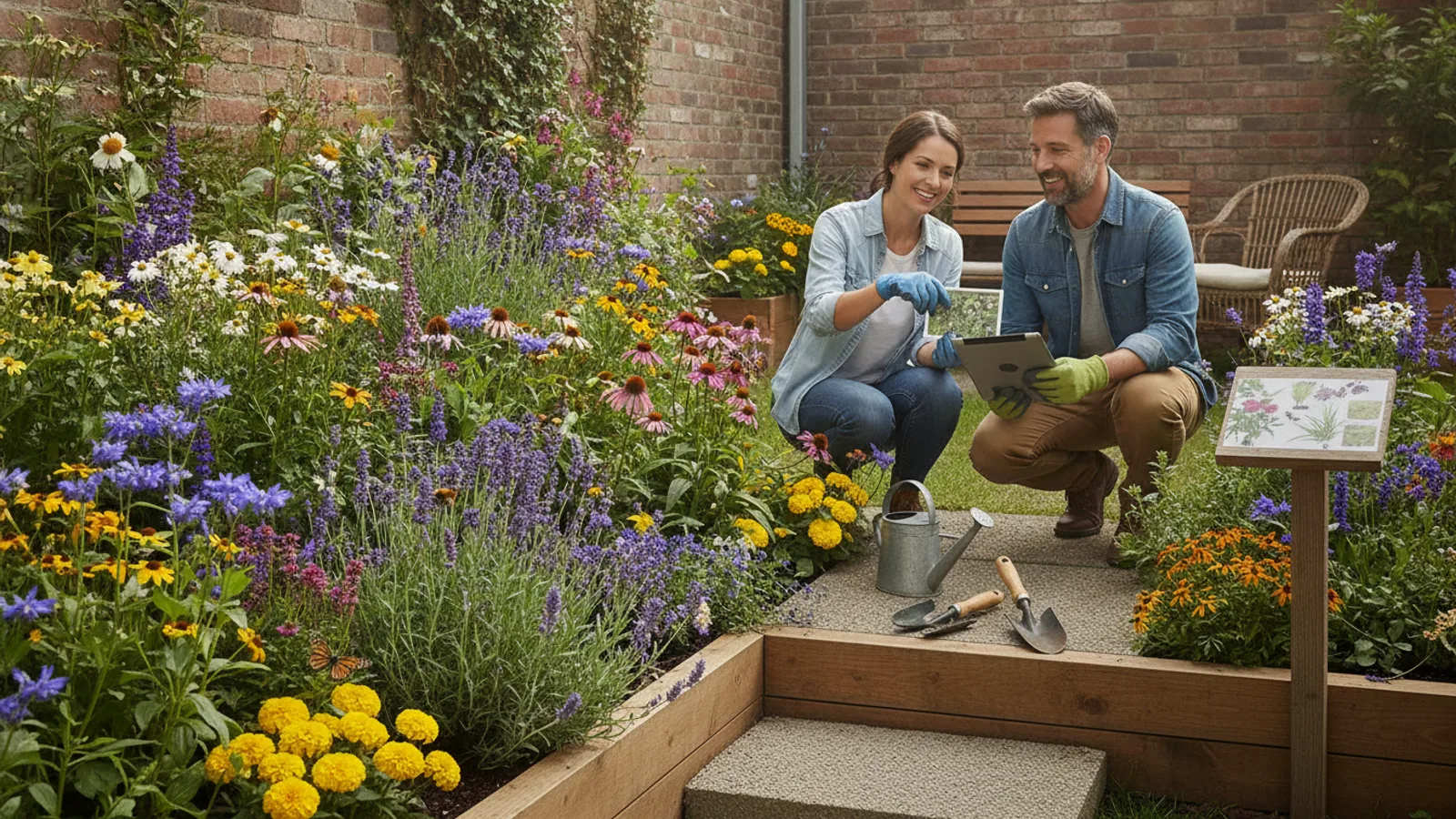
Visit a local nursery and ask for drought-tolerant, sun-loving perennials that are native to your region, as they are adapted to local rainfall and pests. Choose a mixture of evergreen shrubs for structure, ornamental grasses for movement, and flowering perennials for color. For example, Russian sage, yarrow, and coneflower are excellent choices that bloom for long periods without deadheading. Also, include groundcovers like creeping thyme or sedum to fill gaps and suppress weeds. Avoid plants labeled as 'high maintenance' or those that require frequent pruning or staking. When selecting, check the plant tag for water requirements and choose those marked 'low water' or 'xeric.' Group plants with similar water needs together to create hydrozones, making irrigation more efficient. This check matters because selecting the right plants from the start is the most critical step to reduce long-term upkeep; the wrong choices will demand constant attention.
Prepare Soil and Install Mulch
After clearing the garden bed, amend the soil by spreading two to three inches of compost over the surface and working it into the top eight inches. This improves drainage in clay soil and increases water retention in sandy soil, giving plants a healthy root environment. Then, choose an organic mulch like wood chips, bark, or straw. Apply a layer three to four inches deep around plants, leaving a small gap around stems to prevent rot. Mulch suppresses weeds by blocking sunlight, slows soil evaporation, and moderates soil temperature, reducing plant stress. For a low-maintenance approach, use a weed barrier fabric under the mulch, but ensure it is porous to allow water and air through. Replenish mulch once a year in spring. This check matters because proper soil preparation and mulching drastically reduce the need for weeding and watering, which are common time-consuming tasks in a sunny garden.
Install an Automated Irrigation System
To minimize watering effort, install a drip irrigation system or soaker hoses in your garden bed. Drip irrigation delivers water directly to the root zone, reducing evaporation and runoff, and uses less water than sprinklers. Set up a simple timer to water early in the morning, ideally between 4 and 6 am, before the sun is strong. This prevents water loss and helps plants absorb moisture before the heat of the day. Initially, run the system for about twenty minutes every two days, then adjust based on rainfall and plant needs. After the first year, many native and drought-tolerant plants need watering only once every two weeks. To avoid overwatering, insert a moisture sensor or simply check the soil with your finger down to two inches; if it feels dry, it's time to water. This check matters because proper watering is the most common cause of plant failure, and automation reduces human error and effort.
Define Edges and Create Access Paths
Install a physical edge between your garden bed and lawn or sidewalk using metal, stone, or plastic edging. This prevents grass from creeping into the garden and makes mowing easier. Also, create a path or stepping stones through the garden to provide access for maintenance without compacting soil. Use materials like gravel, pavers, or loose stepping stones that blend with your design. A well-defined edge and path reduce the need for hand-weeding and trimming, as you can use a string trimmer or mower along the edge without damaging plants. Additionally, consider defining a gravel garden area where you can place containers or feature plants, as gravel is a permanent, low-maintenance surface. This check matters because edges and paths minimize the boundary between grass and beds, which is a common source of weed invasion and tedious edge-trimming tasks.
Establish a Minimal Seasonal Routine
Once your garden is established, set a simple seasonal calendar to keep it tidy. In spring, remove any winter debris, cut back ornamental grasses to a few inches, and divide perennials if they become crowded. In summer, spend a few minutes each week deadheading spent blooms if desired, but choose low-maintenance plants that don't require it. In autumn, leave seed heads and foliage for winter interest and wildlife, and add a fresh layer of compost around plants. In winter, avoid walking on frozen soil and simply enjoy the structure. Use a leaf blower or rake to remove leaves from paths and beds monthly. The goal is to limit tasks to two or three per season. This check matters because a predictable, minimal routine keeps the garden looking good without becoming a burden, and prevents small issues from becoming major problems.
Quick Reference
| Situation | Action | Why it helps |
|---|---|---|
| Planting in full sun with sandy, fast-draining soil | Choose drought-tolerant plants like lavender, sedum, and ornamental grasses, and amend soil with compost to retain moisture. | These plants naturally thrive in dry conditions, so they'll require less watering and care once established. |
| Not enough time to water daily | Install a timer-based drip irrigation system and use a thick mulch layer to reduce watering frequency. | Automated watering and mulch minimize manual effort and conserve water, keeping plants healthy with minimal intervention. |
| Weeds constantly appearing despite mulching | Replace organic mulch with a weed barrier fabric topped with inorganic mulch like gravel, and re-edge the bed to prevent grass intrusion. | A physical barrier blocks weed seeds from germinating and reduces the need for frequent weeding, saving time. |
Common Issues
- Plants look scorched or wilted despite watering: Check if you're overwatering or underwatering. Ensure soil drains well and adjust watering to early morning. Add a layer of mulch to retain moisture and protect roots from heat.
- Weeds persist even after mulching: Dig out weeds deeply, including roots, and apply a pre-emergent herbicide in spring. Replace organic mulch with a thicker layer (4-6 inches) or use a landscape fabric under gravel.
- Plants become leggy and fall over: Provide support with stakes or plant rings early in the season. Choose compact varieties or cut plants back by a third in early summer to encourage bushier growth.
Advanced Tips
- Use decorative gravel or pebbles as a permanent ground cover that eliminates weeding and retains soil moisture, requiring almost no upkeep.
- Incorporate evergreen shrubs as the backbone of your garden to provide year-round structure and color, reducing the need for seasonal replanting.
- Plant in layers with groundcovers beneath shrubs to create a self-sustaining ecosystem that suppresses weeds and minimizes evaporation.
Final Checklist
- Confirm your plot receives full sun and note the soil type for plant selection.
- Choose at least five low-water perennials and shrubs native to your region.
- Install a drip irrigation system with a timer to automate watering.
- Apply a 3-4 inch layer of organic mulch to retain moisture and suppress weeds.
FAQ
What are the best low-maintenance plants for a sunny front garden?
Excellent choices include drought-tolerant perennials like Russian sage, coneflower, yarrow, and ornamental grasses. Native plants adapted to your region are ideal because they require less water and resist local pests. Shrubs like lavender and rosemary also thrive in sunny spots with minimal care.
How often do I need to water a low-maintenance garden?
Once established, most drought-tolerant plants need watering only every 1-2 weeks, depending on rainfall. In the first year, water regularly (about 2-3 times per week) to help roots establish. Using a drip system with a timer ensures consistent moisture without overwatering.
How can I prevent weeds without spending hours weeding?
Apply a thick layer (3-4 inches) of organic mulch, which blocks sunlight and suppresses weed seeds. Installing a weed barrier fabric underneath helps further. Also, use edging to prevent grass from invading, and consider planting groundcovers that crowd out weeds.