How To Choose A Pollinator Friendly Border For A Compact Garden
A practical step-by-step guide to how to choose a pollinator-friendly border for a compact garden, including preparation, instructions, common issues, tips, and next steps.
How To Choose A Pollinator Friendly Border For A Compact Garden
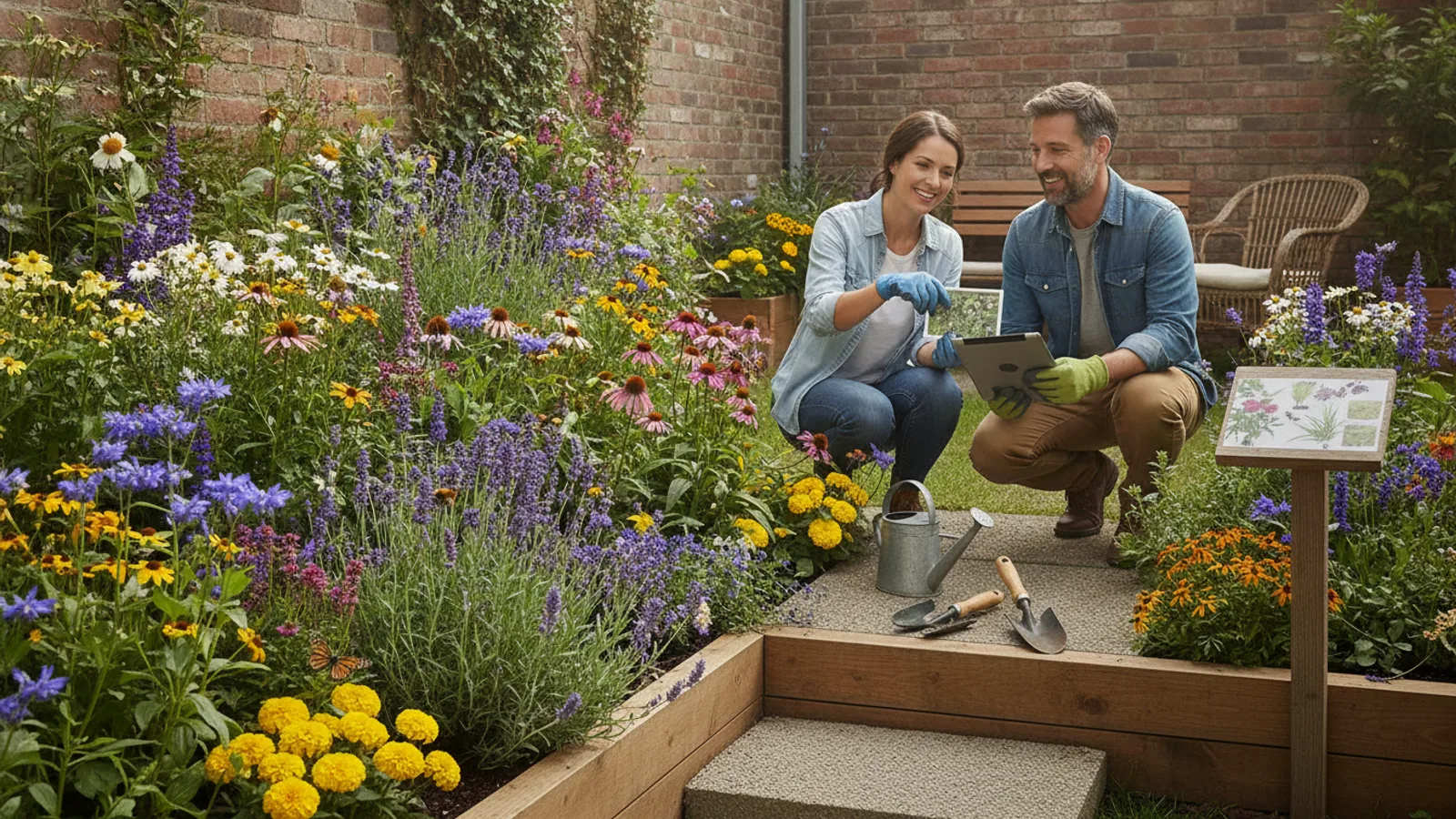
Creating a pollinator-friendly border in a compact garden is a rewarding way to support bees, butterflies, and other beneficial insects while adding beauty and interest to your outdoor space. This guide walks you through selecting plants, arranging them for maximum impact, and maintaining a thriving habitat that welcomes pollinators throughout the growing season. You'll learn how to assess your space, choose a diverse mix of nectar and pollen-rich flowers, provide essential resources like water and shelter, and avoid practices that harm insects. With careful planning and a few simple steps, your small border can become a vital haven for pollinators and a joy to observe.
Fast Answer
- Choose a sunny spot with well-drained soil, then select at least five different flowering plants that bloom from spring through fall, prioritizing native species and single-flower varieties. Group plants in clusters of three or more to make them easy for pollinators to find, and avoid using pesticides or herbicides.
- Provide a shallow water source with landing stones, leave some bare soil and dead stems for nesting, and add a variety of flower shapes to attract different pollinators. Plan for continuous bloom by mixing early, mid, and late-season flowers, and include herbs like lavender and thyme that are rich in nectar.
Before You Start
- Measure your border's dimensions and note the amount of sunlight it receives each day, as most pollinator-friendly flowers need at least six hours of direct sun. Use a simple sun calculator or observe the area hourly to determine if it's full sun, partial sun, or shade.
- Test your soil's drainage by digging a small hole and filling it with water; if it drains within a few hours, you're good to go. If water pools, plan to add compost or build a raised bed to improve drainage, because pollinators need dry soil for nesting.
- Choose a color palette and plant height scheme that fits your garden style, but prioritize plant function over aesthetics. Select native wildflowers, herbs, and ornamental perennials that are known to attract pollinators in your region, and check with a local nursery for the best options.
- Gather essential tools and materials: a trowel, potting soil, compost, mulch, a watering can or hose, and a list of plants that thrive in your climate and soil type. Also, have a shallow dish or birdbath ready for a water source, and plan to add rocks or pebbles for landing spots.
Step-by-Step Instructions
Assess Your Garden's Sun and Soil Conditions
Start by understanding the unique conditions of your compact garden because the right plant in the wrong spot will struggle and may not bloom well. Observe your border for a full day, noting how many hours of direct sunlight it receives. Most pollinator flowers, such as coneflowers, black-eyed Susans, and lavender, need at least six hours of sun to produce abundant nectar. If your border is shaded, choose shade-tolerant plants like astilbe, coral bells, and columbine, which still provide some nectar but attract a different set of pollinators. Next, check your soil drainage by digging a small hole, filling it with water, and timing how long it takes to drain. If it takes more than a few hours, your soil is poorly drained; you can improve it by mixing in compost or creating a small raised bed. Also, note whether the soil is sandy, clay, or loamy, as this will guide your plant choices. A simple soil test kit from a garden center can tell you the pH and nutrient levels, but for most borders, healthy soil with decent organic matter will support a variety of plants. By understanding your sun and soil, you'll make informed choices that lead to a thriving pollinator haven.
Select a Diverse Mix of Pollinator Plants
Choose a variety of plants that bloom at different times from early spring to late fall, ensuring a continuous food supply for pollinators. In spring, include bulbs like crocus, scilla, and wild hyacinth, which provide early nectar when few other flowers are open. For summer, select long-blooming perennials such as lavender, catmint, salvia, and Russian sage, which are magnets for bees and butterflies. Include late-season bloomers like asters, goldenrod, and sedums to support migrating monarchs and other insects preparing for winter. Also, mix flower shapes to attract different pollinators: flat, daisy-like flowers (coneflowers, sunflowers) are easy for beetles and butterflies to land on; tubular flowers (penstemon, bee balm) suit hummingbirds and long-tongued bees; and small clustered flowers (yarrow, dill, fennel) provide accessible nectar for tiny native bees. Aim for at least five different species, but even a border with ten or more can be stunning if you plan color and height. Prioritize native plants because they have co-evolved with local pollinators and often offer more nutritious pollen and nectar. Your local cooperative extension or native plant society can provide a list of best native choices for your area.
Plan Planting Groups for Easy Pollinator Access
Pollinators are more likely to discover and use flowers that are grouped in clusters rather than scattered as single plants. When planning your border, group each plant species in a cluster of at least three or more, ideally in a drift that follows a curve or an informal shape. This creates a larger visual target for pollinators, making it easier for them to find the flowers and forage efficiently. For a compact garden, you can still achieve this by planting in a zigzag pattern or using a large container as a focal point. Also, consider plant heights, placing taller plants like hollyhocks or Joe-Pye weed at the back of a border (or center if it's an island bed), and shorter plants like creeping thyme or alyssum at the front. This ensures that no flower is overcrowded and that sunlight reaches all layers. When you plant, prep each hole by loosening the soil and mixing in a little compost, then water thoroughly. After planting, add a layer of mulch to retain moisture and keep weeds down, but leave a small bare patch of soil around each stem to help ground-nesting bees. Grouping plants also makes it easier to provide consistent watering and care.
Add a Water Source and Shelter for Pollinators
Pollinators need more than just flowers; they need water for drinking and shelter for nesting and overwintering. Create a simple shallow water station by placing a birdbath or an old saucer filled with pebbles or marbles and adding water, so that insects can land safely without drowning. Keep the water fresh and refill it during hot, dry spells. For shelter, leave some bare, undisturbed soil patches in your border for ground-nesting bees, which make up many of our native bee species. Also, avoid tidying up your garden too much in autumn; leave some dead stems, dried leaves, and loose branches in a corner, as many native bees and beetles overwinter in these materials. If you have space, install a small insect hotel or a bundle of hollow stems (like bamboo or sumac) that you hang vertically, but these often need to be placed in a sunny, sheltered spot to attract residents. By providing both water and shelter, you make your garden a complete habitat that supports the entire lifecycle of pollinators, encouraging them to stay and reproduce.
Adopt Pollinator-Friendly Maintenance Routines
Regular maintenance is essential, but it must be pollinator-friendly to ensure a safe environment. Water your border deeply but infrequently, ideally in the morning, to mimic natural rain patterns that encourage deep root growth and reduce evaporation. Use a soaker hose or drip irrigation to deliver water directly to the soil, avoiding wetting the foliage, which can lead to fungal diseases. When weeding, do it by hand or with a hoe, and avoid digging deeply which can disturb nesting bees. Fertilize sparingly; organic compost or a slow-release fertilizer is best, and never use chemical fertilizers that can run off and harm beneficial insects. Deadhead flowers occasionally to encourage more blooms, but leave some spent flowers standing in late summer because they hold seeds that birds and insects eat. Also, monitor for pests; if you notice aphids, simply spray them off with a strong jet of water or introduce natural predators like ladybugs by buying them from a nursery. Most importantly, never use pesticides, even organic ones, because they cannot distinguish between harmful pests and beneficial pollinators. By following these routines, you create a safe and sustainable environment that keeps your border healthy and inviting.
Observe and Adjust Your Pollinator Border
After planting, spend time watching your border to see which plants attract which pollinators and when they are most active. This observation is key to refining your garden and making it even more effective. Keep a simple journal with dates and notes on which flowers are being visited, noting the bee species, butterflies, and other insects you see. Probably you'll discover that some plants are more popular than others; you can then add more of those or replace underperformers. Also, notice the bloom times: if there is a gap in late spring when nothing is flowering, add bulbs or early perennials for next year. Watch for signs of stress, such as yellowing leaves or wilting, and adjust watering or soil conditions accordingly. In the first year, plants may need regular watering to establish roots; in subsequent years, they will be more drought-tolerant. Pay attention to how the border looks from your window or path; you might want to rearrange some plants for better visibility or to create a more pleasing composition. Ultimately, gardening is a process of trial, error, and joy; let your observations guide your decisions, and don't be afraid to move a plant that is not thriving. By actively engaging with your border, you will learn what works best and turn your small garden into a haven that buzzes with life.
Quick Reference
| Situation | Action | Why it helps |
|---|---|---|
| Your compact garden is mostly shaded for most of the day, but you still want to attract pollinators. | Choose shade-tolerant flowering plants like astilbe, coral bells, columbine, and bleeding heart, and place them in the shadiest spots. Add a shallow water source and leave some bare soil for ground-nesting bees. Even in shade, you can attract bees and some butterflies with these nectar-rich plants. | Shade-loving perennials still produce nectar and pollen, and providing water and shelter will encourage pollinators to visit, even if the variety is different from sun-loving gardens. |
| You notice that your border's flowers are being fully pollinated, but you see very few butterflies during peak summer. | Add a few extra host plants for butterfly larvae, such as milkweed for monarchs and fennel or dill for swallowtails, placing them in a corner of the border. Also, create a 'puddling' spot by filling a shallow dish with muddy soil and pebbles, and keep it moist. | Butterflies need specific host plants to lay eggs, and they are attracted to mineral-rich puddling sites, which provide essential salts and nutrients that also increase their reproductive success. |
| After a hot, dry spell, your border plants look wilted even though you water daily, and you suspect poor drainage. | Check the soil moisture by sticking your finger a few inches deep; if it's soggy, improve drainage by adding organic compost and possibly raising the bed if it continues to pool. Reduce watering frequency to every other day, but water deeply each time to encourage deep root growth. | Overwatering or poor drainage can suffocate roots and mimic drought symptoms; fixing drainage ensures healthy plants that produce more nectar and are more resilient. |
Common Issues
- Aphids are clustering on your new plant growth, but you want to avoid sprays.: Introduce natural predators like ladybugs or lacewings, which you can order from garden catalogs, or simply spray the plant with a strong stream of water to dislodge the aphids. Encourage birds by placing a small birdbath nearby, as they also feed on aphids.
- Your pollen-heavy plants like coneflowers are not attracting any bees, even in sunny spots.: Check whether your plants were treated with neonicotinoids at the nursery; these systemic pesticides can linger and repel pollinators. Look for certified 'bee-friendly' plants or grow from seed, and ensure you have a diverse mix of flower shapes and colors.
- The soil in your border is very compacted and water pools after rain, which may drown ground-nesting bees.: Gently aerate the soil by digging with a garden fork to loosen the top few inches, then mix in generous amounts of compost to improve drainage and soil structure. Build up a slightly raised planting mound if the water doesn't drain to ensure the area stays dry after rain.
Advanced Tips
- Plant in multi-story layers: underplant taller perennials with low-growing clover or creeping thyme to provide a continuous ground cover that offers shelter for beetles and reduces soil moisture loss, creating a micro-habitat for more insects.
- Install a small 'pollinator meadow' section by mixing native wildflower seeds with annuals like cosmos and larkspur, then mow it only once in early spring; this mimics natural meadows and encourages a greater diversity of native bees and butterflies.
- Leave a dead snag or a log pile in a corner of your border; many native carpenter bees and beneficial wasps use these cavities for nesting, and the decaying wood also supports beetles and other insects that are a food source for birds.
Final Checklist
- Assess your garden's sun, soil, and drainage, and choose plants that match your conditions to ensure they thrive.
- Select at least five different pollinator-friendly plants with staggered bloom times, and group them in clusters of three or more.
- Provide a shallow water source, leave some bare soil and dead stems, and avoid all chemical pesticides and synthetic fertilizers.
- Establish a watering and maintenance routine that includes targeted watering, hand weeding, and periodic observation to adjust as needed.
FAQ
How much space do I need for a pollinator border in a compact garden?
You can create a pollinator border with as little as a few square feet. Even a narrow strip along a fence or a border around a patio can host several nectar-rich plants. The key is to choose compact varieties that fit the space, like dwarf coneflowers, catmint, and stonecrop, and to group them together. More important than size is the quality of the habitat: provide sun, water, and shelter, and you'll attract pollinators.
What are the best plants for a beginner pollinator garden?
Good starter plants include native wildflowers like black-eyed Susan, purple coneflower, and yarrow, which are hardy and not too fussy. Herbs like lavender, oregano, and thyme are also excellent, as they love sun and well-drained soil and are heavy bloomers. For spring, you can add bulbs like crocus and scilla. These plants are widely available, easy to grow, and provide abundant nectar and pollen for a variety of pollinators.
Will I need to provide water even if I regularly water my other plants?
Yes, you should provide a dedicated water source for pollinators. While plants get water from the soil, bees, butterflies, and other insects need shallow drinking spots that they can access without drowning. A simple dish or birdbath filled with pebbles and water will serve many insects. During dry periods, keep it topped up, and change the water regularly to prevent mosquito breeding.