What To Check Before A Seasonal Pruning Plan For Common Garden Shrubs
A practical step-by-step guide to what to check before a seasonal pruning plan for common garden shrubs, including preparation, instructions, common issues, tips, and next steps.
What To Check Before A Seasonal Pruning Plan For Common Garden Shrubs
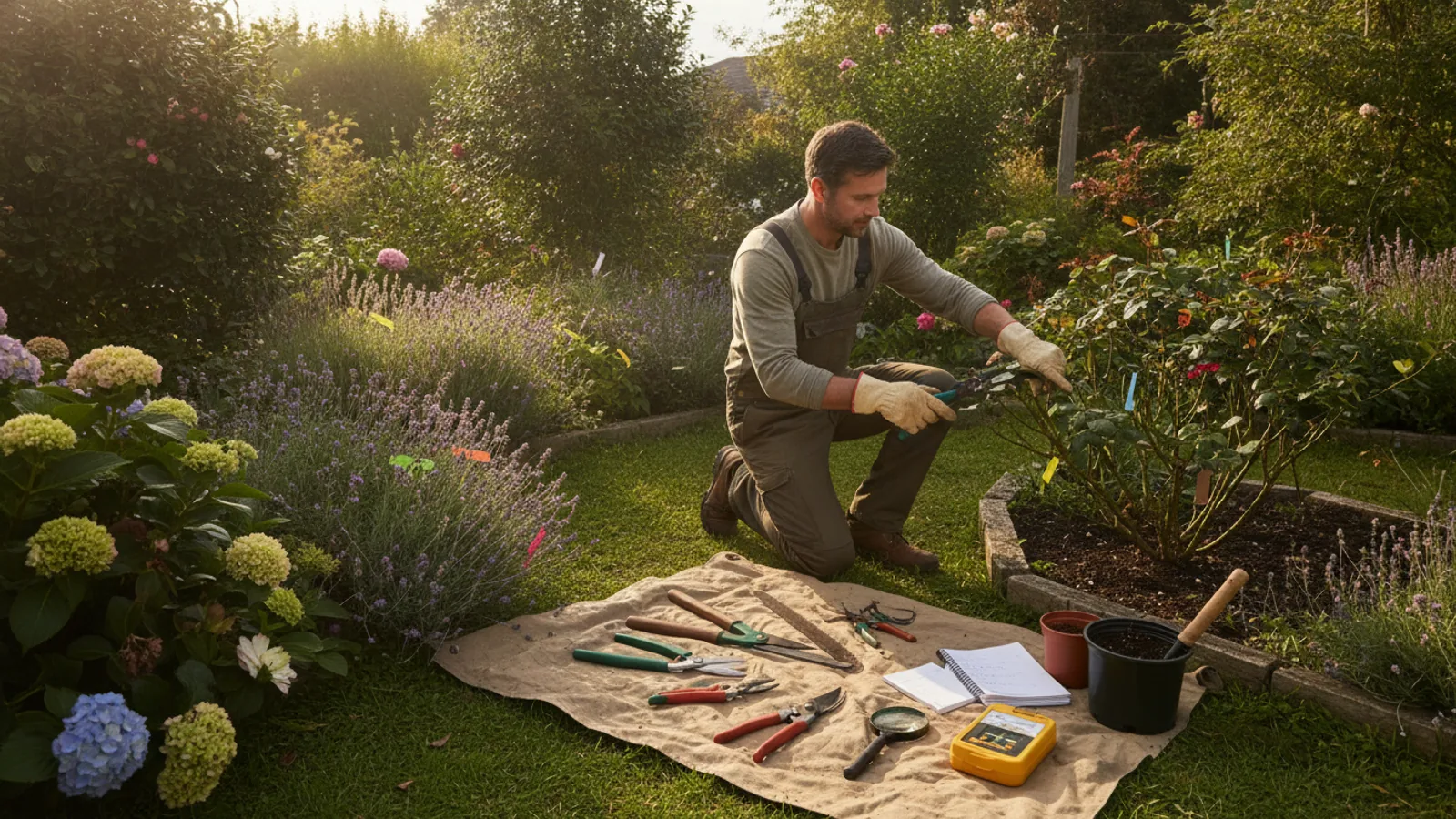
Before you pick up your pruning shears, a careful review of your garden, your shrubs, and your tools can make the difference between a thriving plant and a damaged one. This guide walks you through the essential checks—from understanding your shrub's flowering habit to inspecting for pests and disease—so you can plan a seasonal pruning that supports healthy growth and abundant blooms. By taking a little time to prepare, you avoid common mistakes like cutting at the wrong time or spreading infection. Use this checklist to approach each shrub with confidence and a clear plan tailored to its needs.
Fast Answer
- Check your shrub's growth habit: identify when it flowers (spring or summer) to determine the best pruning window, and look for signs of old vs. new wood growth.
- Inspect for dead, damaged, or diseased branches first, and always clean and sharpen your tools before making any cuts to prevent the spread of pathogens.
Before You Start
- Gather clean, sharp pruning tools: hand pruners for small stems, loppers for medium branches, and a pruning saw for thick limbs. Disinfect blades with rubbing alcohol or a bleach solution (one part bleach to nine parts water) before you start.
- Identify each shrub species and note its growth habit: some bloom on old wood (last year's growth), others on new wood (this season's growth). This determines when to prune to avoid cutting off flower buds.
- Observe the plant's current health: look for dead, damaged, or diseased branches, and note any signs of insect infestation or fungal spots. This will guide which cuts to make first.
- Check the local weather forecast: avoid pruning when severe cold or heavy rain is expected, as fresh cuts are vulnerable to frost damage or fungal spores. Aim for a dry, mild day.
Step-by-Step Instructions
Identify the Shrub's Flowering Season
The first and most critical step is to determine whether your shrub blooms on old wood or new wood. Spring-flowering shrubs like forsythia, lilac, and azalea set their flower buds in the previous year's growth, so you should prune them immediately after they finish blooming. Summer-flowering shrubs like butterfly bush, panicle hydrangea, and spirea bloom on new wood, so you can prune them in late winter or early spring before new growth begins. To identify this, check with a local nursery or a reliable botanical reference, or observe when your shrub flowers: if it blooms early (spring) on stems that have been present since last year, it's likely old wood; if it blooms later (summer) on stems that grew this year, it's new wood. Mark your calendar so you prune at the right time to avoid sacrificing flowers.
Inspect for Health Issues First
Before you make any pruning cuts, walk around each shrub and examine it closely. Look for dead, damaged, or diseased branches: these can be identified by a lack of leaves, brittle texture, peeling bark, or discolored spots. Also check for crossing or rubbing branches, which can create wounds that invite pests and disease. Use your hands to gently part the foliage and look at the interior of the shrub. Note any areas where branches are crowded together, as this can reduce airflow and lead to fungal problems. This inspection tells you exactly which branches need to be removed for the plant's health, and it ensures you do not accidentally cut off healthy, productive wood. Prioritize removing any broken or diseased limbs right away, even if they are large, because leaving them can spread disease.
Check for Pests and Eggs
Look for signs of pest infestations, such as holes in leaves, sawdust-like frass on branches, or egg masses attached to stems. Many insects lay eggs on shrub bark or in branch forks, and pruning can remove these overwintering pests, but you need to know where they are. Carefully inspect the undersides of branches and the bases of buds. Common examples include scale insects (which look like small bumps) and spider mites (which leave fine webbing). Also, watch for swollen nodes or galls, which may indicate insect or fungal activity. If you find an infestation, decide whether to prune out the affected branches or treat the plant first, depending on the severity. Removing infested wood can reduce the pest load, but you should also consider using an appropriate horticultural oil before or after pruning to manage pests, following the product's instructions.
Choose the Right Cut for the Branch
When you are ready to prune, select the appropriate cut type for each branch. For thinning cuts, remove a branch back to its parent branch or the ground to open up the shrub's interior; this improves airflow and light penetration. For heading cuts, shorten a branch to just above a bud or side branch, which encourages denser growth. Always make your cut at a slight angle, about a quarter-inch above an outward-facing bud, to direct new growth outward. Avoid leaving stubs, as they die back and can become entry points for disease. Also, never make flush cuts that remove the branch collar (the swollen area where the branch meets the trunk), as this damages the plant's natural healing process. Choose the appropriate tool: use hand pruners for stems under half an inch, loppers for branches up to an inch and a half, and a pruning saw for anything larger.
Establish a Cutting Order
Prune in a logical sequence: start by removing the four Ds—dead, damaged, diseased, and dying branches. Then remove any suckers and water sprouts (vigorous, upright shoots that drain energy from the plant). Next, take out crossing or rubbing branches to prevent future wounds. After that, thin out dense areas to improve airflow and light penetration. Finally, shape the shrub by making heading cuts to maintain size and form. This order ensures that you first address health issues, then structural problems, and finally aesthetic considerations. It also prevents you from accidentally leaving a diseased branch while you are shaping. Work slowly and step back occasionally to check your progress against your intended plan. Remember to step away from the shrub and look at it from all sides before making your final shaping cuts.
Clean Up and Dispose of Debris
After finishing all cuts, gather the pruned branches and leaves. Do not leave them under the shrub, as decaying plant material can harbor pests and diseases. Collect them in a bag or a tarp and dispose of them according to your local yard waste guidelines. If you removed any diseased material, do not compost it; dispose of it in the trash to avoid spreading the pathogen. Next, clean your tools again: wipe the blades with rubbing alcohol or a 10% bleach solution to prevent transferring diseases to other plants. Then, water the shrub if the soil is dry, but avoid overwatering, as this can stimulate new growth that might be vulnerable to frost. Applying a layer of mulch around the base can help conserve moisture and regulate soil temperature, but keep it a few inches away from the trunk.
Quick Reference
| Situation | Action | Why it helps |
|---|---|---|
| Spring-flowering shrub like lilac or forsythia has finished blooming and you want to prune without losing next year's flowers. | Prune immediately after the flowers fade, removing spent blooms and cutting the oldest stems back to the ground to encourage new growth. | These shrubs set flower buds on the previous year's growth, so pruning right after blooming gives the plant time to form new buds for next spring. |
| Summer-flowering shrub like butterfly bush or panicle hydrangea looks scruffy in early spring and you need to control its size. | In late winter or early spring, cut the entire plant back to about 12 to 18 inches above the ground, making clean cuts just above a bud. | These shrubs bloom on new wood that grows in the same season, so a hard prune encourages vigorous new growth that will produce flowers later in the year. |
| You notice a branch with a serious disease, such as a canker or fire blight, that needs immediate removal regardless of the season. | Sterilize your pruners with rubbing alcohol, cut off the infected branch at least 6 to 12 inches below the visible infection, and dispose of the removed material in the trash. | Cutting well below the infection removes as much of the pathogen as possible and prevents the disease from spreading to healthy wood, even if it means sacrificing some blooms that season. |
Common Issues
- You pruned a spring-blooming shrub in late winter and now it has few or no flowers.: You likely removed the flower buds that had formed on old wood. To encourage future blooms, allow the plant to recover, prune immediately after it flowers next year, and do not cut back older stems until after bloom time.
- Your pruning cuts have left unsightly stubs that seem to be dying back.: Trim the stubs back to just above a lateral branch or an outward-facing bud at a slight angle. Make sure your cuts are clean and not ragged, and avoid leaving more than a quarter-inch of wood above the bud.
- Your shrub has developed yellowing leaves and oozing sap after pruning, which worries you.: This may indicate a bacterial infection like fire blight or a fungal disease. Prune out the affected branches, cutting well below the damaged area, and sterilize your tools between cuts. Clean up all fallen leaves and dispose of them properly to reduce further spread.
Advanced Tips
- Consider the plant's natural shape and aim to enhance it: for upright shrubs, make heading cuts to an outward bud to maintain an open, vased form; for mounding shrubs, thin out the center to keep it airy.
- Use the three-cut method for thick limbs: first undercut about a third of the way through, then cut from above slightly further out, and finally remove the stub with a clean cut just outside the branch collar to prevent bark tearing.
- Time your pruning based on the plant's vigor: for fast-growing shrubs like spirea, you can prune more aggressively, while slow-growing shrubs like boxwood should be pruned lightly and only to shape.
Final Checklist
- Confirmed the shrub's flowering habit (old wood or new wood) to schedule the correct pruning time without sacrificing blooms.
- Inspected the shrub for dead, damaged, or diseased branches, and removed any health hazards first.
- Checked for pests and their eggs, and treated or removed infested wood as needed.
- Cleaned and sharpened all pruning tools before and after use, and sterilized them when cutting diseased wood.
FAQ
What is the best time of day to prune shrubs?
The best time is on a dry, overcast day, preferably in the morning after dew has dried. Avoid pruning during heavy rain, as wet conditions promote the spread of fungal spores. Pruning in the morning gives the cuts time to dry before evening, reducing the risk of infection. Also, avoid pruning during extreme heat or drought, as this can stress the plant further.
How much of a shrub should I prune in one season?
As a general rule, do not remove more than one-third of a shrub's total growth in a single pruning session. Removing more can stress the plant, reduce its energy reserves, and make it more susceptible to disease. For severe rejuvenation, you can prune a shrub over several years, removing a few old stems each year to stimulate new growth without shocking the plant.
Is it okay to prune shrubs in the fall?
It is generally not recommended to prune most shrubs in early fall, as this can stimulate new growth that may be damaged by winter cold. Pruning in late fall can also leave open wounds that are vulnerable to winter damage and fungal diseases. Instead, prune spring-flowering shrubs right after they bloom, and summer-flowering shrubs in late winter or early spring. Only remove dead or hazardous branches in the fall, and do so with caution.